Angelos Sikelianos on Lefkada: From Kyprou Street to Sfakiotes
«Ύπνος ιερός, λιονταρίσιος,
του γυρισμού, στη μεγάλη
της αμμουδιάς απλωσιά.»“A holy sleep, a lion’s sleep,
Angelos Sikelianos, Alafroiskiotos, “Homecoming” (1909). English translation by Othisis.
the sleep of homecoming, on the wide stretch of the sand.”
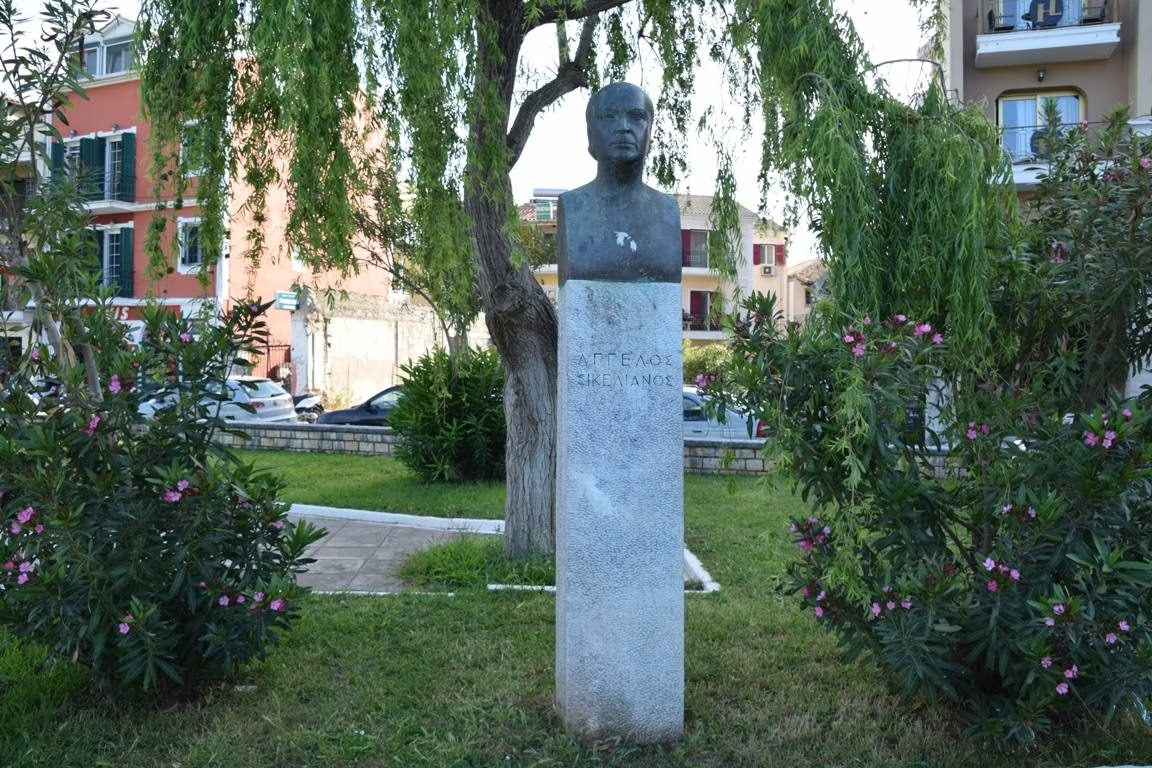
In Lefkada Town you can see the family house of Angelos Sikelianos on Kyprou Street, now a museum, and his bust in the Boschetto, the public garden at the town entrance. A square and a seafront street are named after him. Two more places lie outside the town. In 1907 he wrote the Rhapsodies of the Ionian while living on Agios Nikolaos, a sandbar islet north-east of the town, and in the summer of 1909 he took Eva Palmer and their baby son to the hill villages of Sfakiotes.
The places in town belong to his childhood and to later public honours. The islet and the villages belong to 1907 to 1909, when he came back as a married man and chose where to spend his time. Those years ended with his first book, Alafroiskiotos, in print. His poetry and the Delphic Festivals are covered in the Othisis article Angelos Sikelianos: Lyric Life and the Delphic Festivals.
Kyprou Street: the family house
«Μάνα, φωτιά με βύζαξες
κι είναι η καρδιά μου αστέρι;»“Mother, was it fire you nursed me on, and is thus my heart a star?”
Angelos Sikelianos, “To my mother”, from Alafroiskiotos (1909). English translation by Othisis.
Sikelianos was born in Lefkada on 15 March 1884 (Old Style). He was the youngest of the five surviving children of Ioannis Sikelianos and Charikleia Stefanitsi. Kathimerini reports that he lived in the Kyprou Street house only until he was five. He went to school on the island from 1891 to 1900, according to the Centre for the Greek Language, and enrolled at the Athens law school in 1901. He died in Athens in 1951 and is buried in the city’s First Cemetery.
In 2007 the house was close to collapse. Kathimerini described worn walls, a half-fallen roof and broken shutters. The National Bank of Greece bought the house and paid for its restoration, which the paper put at more than €1.6 million. Matoula Skaltsa and Panos Tzonos, professors at the Aristotle University of Thessaloniki, spent almost three years designing the museum. It opened in October 2017.
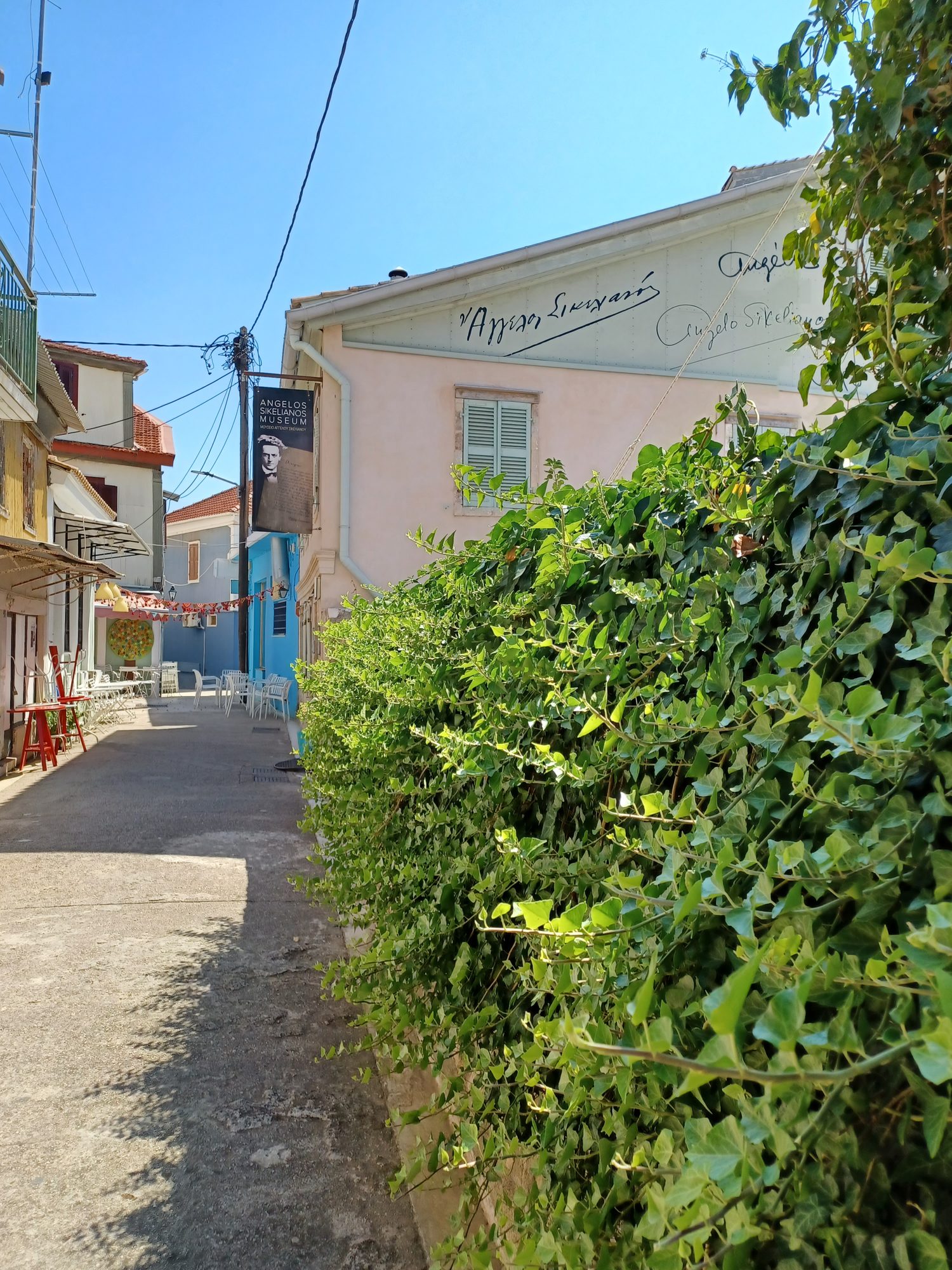
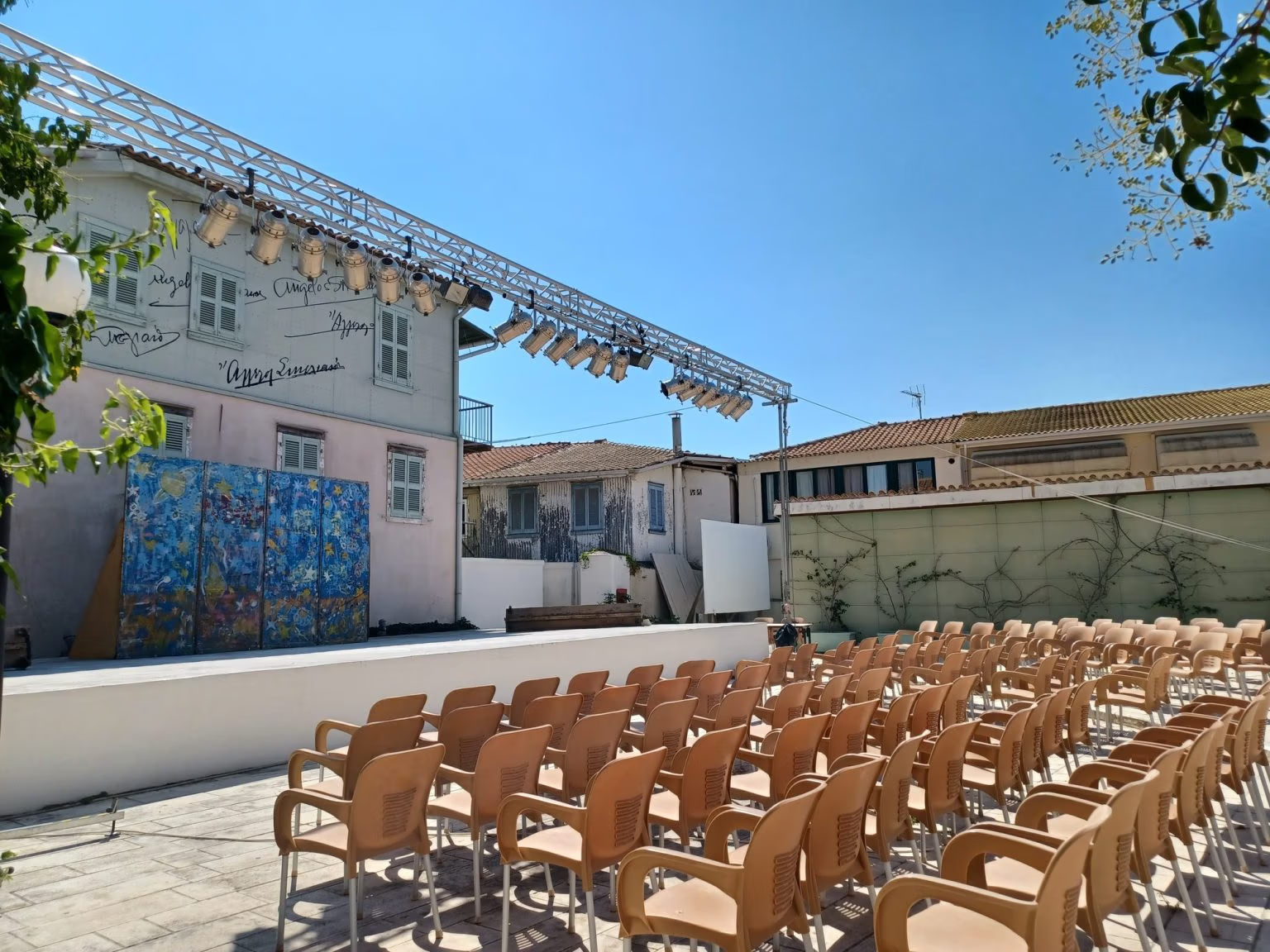
Concerts, plays and dance are staged in the garden theatre in the courtyard during the summer. The Othisis article Angelos Sikelianos: Lyric Life and the Delphic Festivals describes the collection inside and gives the museum’s opening hours, checked on 20 October 2026.
The Boschetto: the Sikelianos and Valaoritis busts
Lefkadians use the Italian name Boschetto for the municipal garden at the town entrance, between Sikelianou Square and the seafront hotels. It has busts of five Lefkada figures: Aristotelis Valaoritis, Sikelianos, Lafcadio Hearn, Kleareti Dipla-Malamou and Dimitris Golemis. Recent guides call it the Poets’ Garden. A Lefkada local-history blog records that the seafront streets named after Sikelianos and Golemis were built on land reclaimed under the British protectorate, after the earthquake of 1825.
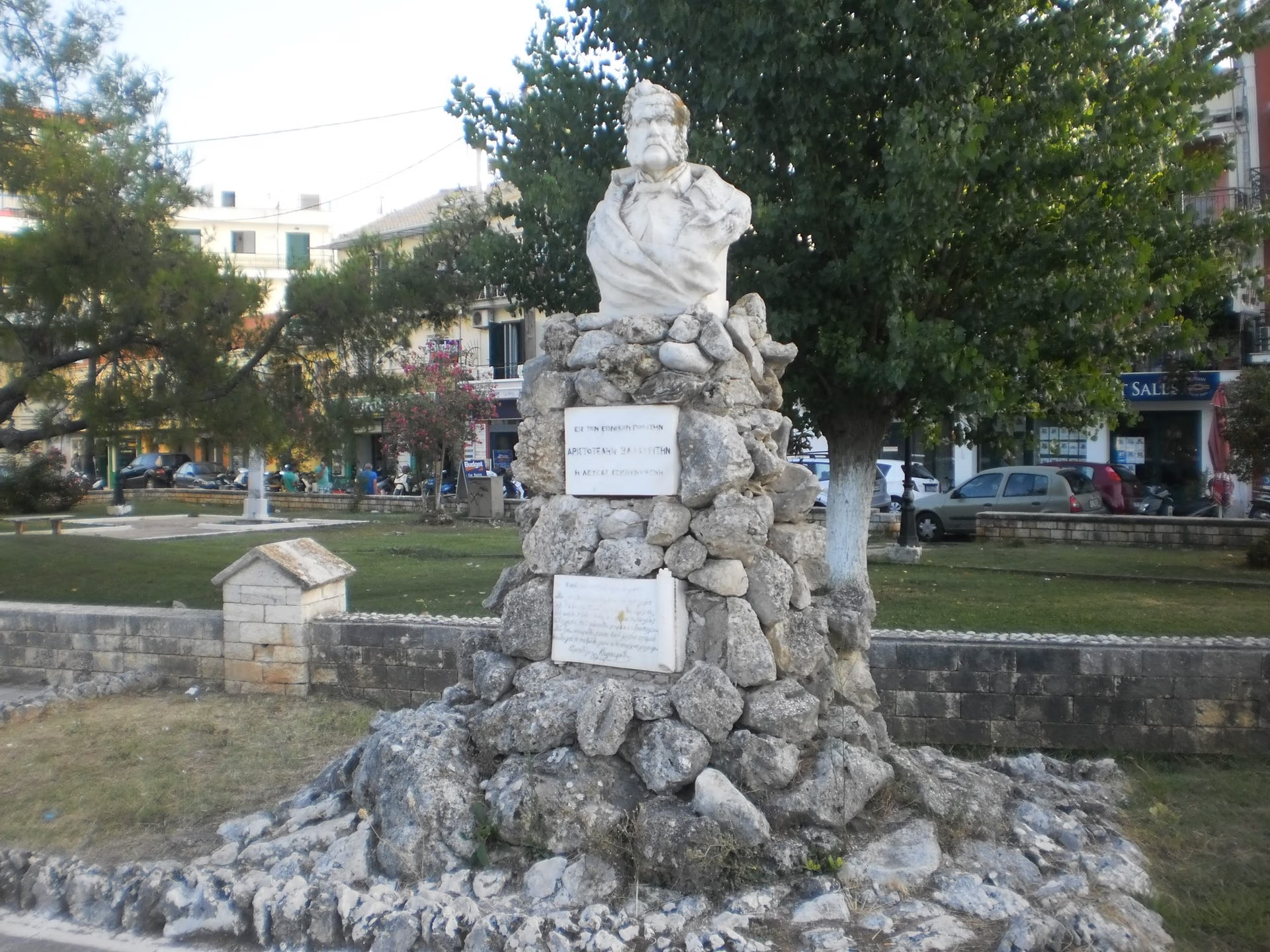
Sikelianos spoke at the 1925 ceremony for the Valaoritis bust. On 7 June 1925, the centenary of Valaoritis’s birth, the prime minister, Andreas Michalakopoulos, unveiled the marble bust by the sculptor Georgios Dimitriadis, which still stands on its cairn of stones in the garden.
After the unveiling, Sikelianos recited his Ode to Valaoritis and Kostis Palamas read a poem of his own. The account comes from the Lefkada news site Lefkaditika Nea, which compiled it from the newspapers of the day. The Centre for the Greek Language records the same programme. Eva Palmer travelled to Lefkada with the two poets, according to her biographer, Artemis Leontis.
A photograph published by the Centre shows Palamas and Sikelianos at Valaoritis’s grave during the 1925 celebrations. The grave is behind the chancel of the Pantokrator church in the town. The Othisis article Valaoritis and the Unfinished Fotinos covers the older poet’s last poem, which he left unfinished.
Agios Nikolaos: the islet where he wrote in 1907
«Κ᾿ ἔπνεε μαγιάτικος βοριὰς στὸ Ἰόνιο χτές, κι ἀκόμα
τὸ κύμα εἶναι σὰν κρούσταλλο, κι ὁ ἄμμος δὲν ἀχνίζει»“A May north wind blew on the Ionian yesterday, and still the sea is clear as crystal, and no haze rises from the sand”
Angelos Sikelianos, Rhapsodies of the Ionian, “Glafka” (written 1907, published 1909). English translation by Othisis.
Locals call Agios Nikolaos “Sikelianos’s islet”. It is a low strip of sand with a single chapel, in the shallows beside the mainland road into Lefkada, about 4.8 km north-east of the museum in a straight line. A 2021 MaxMag guide says it is visible from about kilometre 13 to kilometre 15 of the Lefkada to Amfilochia road.
On the chapel’s feast day, the first Sunday after 10 May, local fishermen take worshippers across in flat-bottomed boats. According to MaxMag, the islet can be visited only on that day, although many people swim across from the nearby beach at Diavasidia.
The Centre for the Greek Language dates his Rhapsodies of the Ionian to 1907 and says he wrote them on the islet. They were published in 1909 in one volume with Alafroiskiotos, which he had written in the Libyan desert. Leontis’s chronology records that Angelos and Eva married at Bar Harbor, Maine, on 9 September 1907, then returned to Lefkada. Through 1908 Eva lived between Lefkada and Athens.
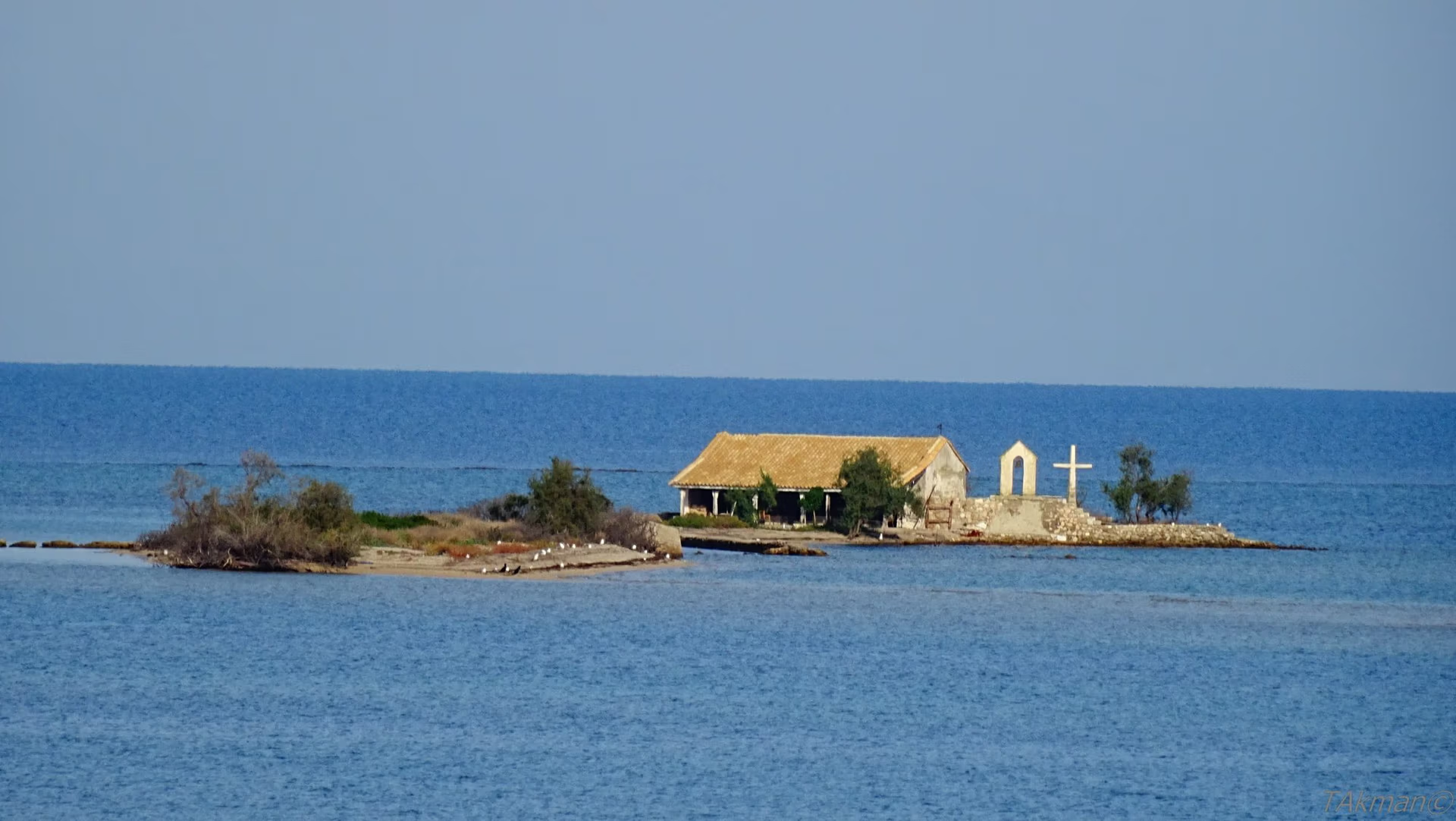
In 1951 T. Mamaloukas wrote about the couple’s time on the islet in the Lefkada newspaper Lefkas. The non-profit guide AllOverGreece quotes his article. By his account they lived in a tent, winter and summer, fished from two dugout boats and rode through Acarnania, on the mainland opposite, on two Serbian horses. AllOverGreece adds that Eva once tried to buy the islet and failed. A 2021 MaxMag feature says the couple tried together. Neither cites a document.
Sfakiotes: the summer of 1909
Their son, Glafkos, was born on 27 March 1909. That summer the couple took him to Sfakiotes, a group of hill villages 6 to 8 km south-west of the town in a straight line. Lazarata, Asprogerakata, Spanochori, Kavalos and Pinakochori are among them. The most detailed account we found is by Filippos Lazaris (1911 to 2000), who was born in Sfakiotes and wrote down what older villagers told him. Dimitris Tseres republished his text in 2023.
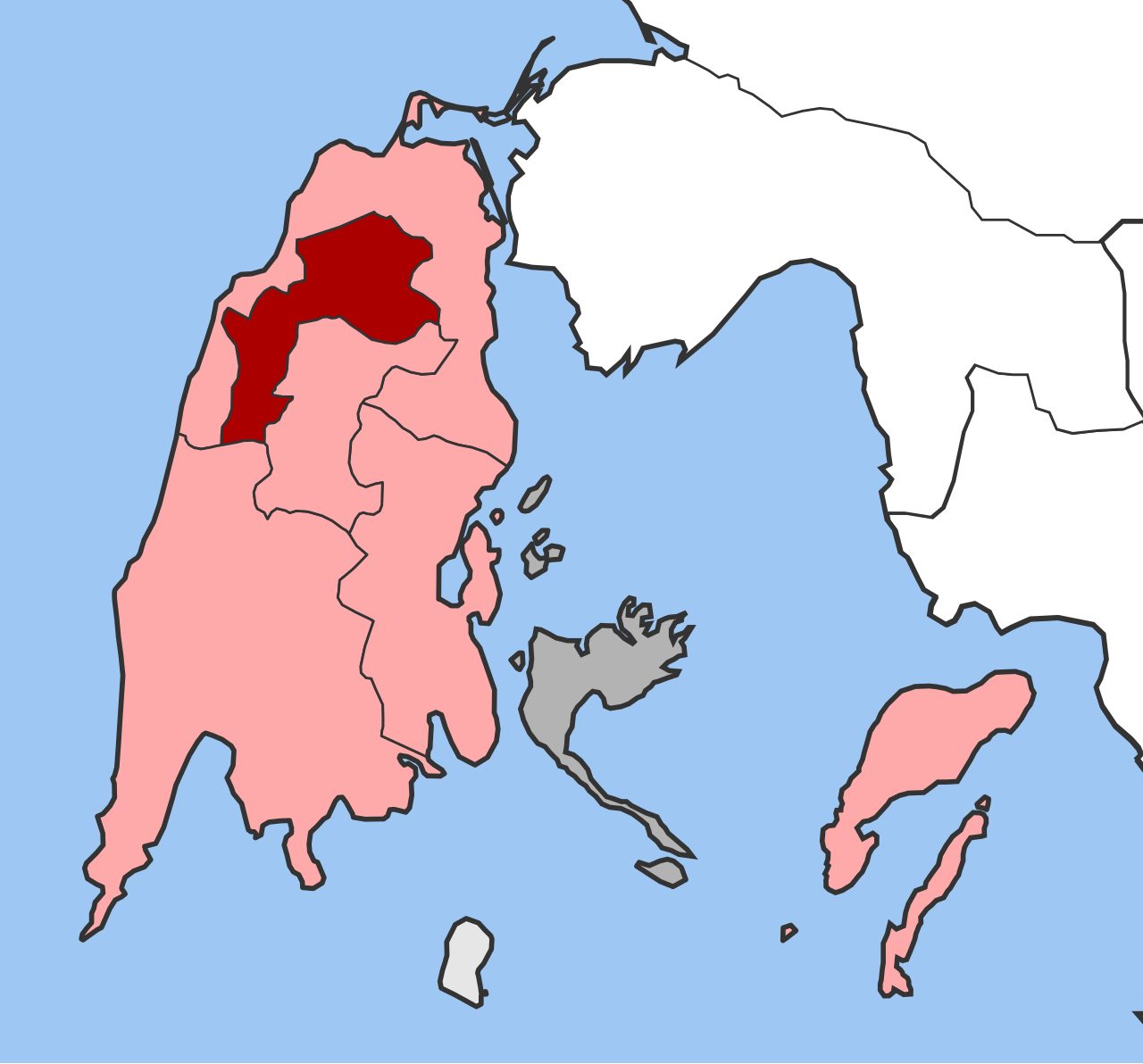
Lazaris gives a reason for the choice. Sfakiotes is the setting of Fotinos, the epic Valaoritis left unfinished when he died in 1879. Lazaris calls it “a work with a purely Sfakiote plot” and believed Sikelianos wanted to know the villages Valaoritis had written about.
According to Lazaris, the family stayed on the upper floor of Mitsos Vagenas’s house in the hamlet of Prementinou, while Vagenas and his family lived below. They brought a cook and two men, one for supplies and heavy work and one to look after the poet’s horse. Villagers nicknamed Eva “zorka” because of her tunic and sandals, and she sat at the local looms to learn their weaving. In the passage AllOverGreece quotes from Mamaloukas, people in the islet years ran to see Eva pass, calling her by the same word, glossed in brackets as “naked”.
The couple danced at the Ascension fair at Fryas, the site of the old wells at Asprogerakata. They rode to the fair at the Faneromeni monastery, 3 km outside the town, and to the feast of Agios Ilias at Englouvi, the island’s highest village. They often went to the ruins at Episkopi, which Lazaris describes as having a fine view of the sea.
Lazaris also recorded how little the summer left behind.
«Σήμερα δεν υπάρχει κανένα ενθύμιο απ’ το διάβα τους. Μόνο ένας σταυρός καμωμένος με καρφιά απ’ τον ίδιο στην πάνω πόρτα του σπιτιού του μπάρμπα Μήτσου (αν αυτό, που λέει ο γιος του ο Ανδρέας, είναι πραγματικό, γιατί ήταν πολύ μικρός τότε).»
“Today there is no keepsake of their passing. Only a cross he made himself out of nails on the upper door of Uncle Mitsos’s house (if what his son Andreas says is true, because he was very young then).”
Filippos Lazaris, “Ο Άγγελος Σικελιανός στους Σφακιώτες”, in Μια φορά κι έναν καιρό (Municipality of Sfakiotes, 2010), republished by Dimitris Tseres, Aroma Lefkadas, 2023. English translation by Othisis.
Featured image: the garden theatre of the Angelos Sikelianos Museum, Lefkada Town, 6 September 2025. Photograph by Mushushu via Wikimedia Commons, licensed under CC BY-SA 4.0.
Extended Read
Angelos Sikelianos: Lyric Life and the Delphic Festivals. The Othisis profile of his poetry, the Delphic Festivals with Eva Palmer-Sikelianos, and the museum’s collection and visiting details.
Further Reading
Angelos Sikelianos: chronology, Centre for the Greek Language. A year-by-year record in Greek, drawn from Kostas Bournazakis’s Chronography, with the 1925 Lefkada photograph.
Eva Palmer Sikelianos: Chronology of a Life, Artemis Leontis. The biographer’s dated outline, including the Lefkada years of 1907 and 1908.
Cultural Itinerary of Angelos Sikelianos in Lefkada, Ionian University POLYSEMi. A stop-by-stop route through the Sikelianos sites on the island and beyond.
References
AllOverGreece. (n.d.). Νησί του Σικελιανού (Άγιος Νικόλαος). Includes the 1951 quotation from T. Mamaloukas, Lefkas.
Athanasiou, M. (2017, 18 October). Ο Άγγελος Σικελιανός επέστρεψε στο «σπίτι» του. K, Kathimerini.
Centre for the Greek Language. (2017). Άγγελος Σικελιανός: Χρονολόγιο.
Greek Ministry of Education. (n.d.). Άγγελος Σικελιανός, «Της μάνας μου». Κείμενα Νεοελληνικής Λογοτεχνίας, Α΄ Γυμνασίου.
Hellenic Literary and Historical Archive (ELIA-MIET). (2009). Fonds 350: Σικελιανός, Άγγελος και Εύα. Greek Archives Inventory.
Ikaros Publishing. (n.d.). Angelos Sikelianos, Letters (1902–1951), author biography.
Ionian Library, Hellenic Union of Heptanesians. (n.d.). Ραψῳδίες τοῦ Ἰόνιου. Γλαύκα. Text from Λυρικὸς Βίος, vol. A, Ikaros, 1965.
Lazaris, F. P., ed. Tseres, D. S. (2023, 18 November). Ο Άγγελος Σικελιανός στους Σφακιώτες. Aroma Lefkadas. First published in Μια φορά κι έναν καιρό, Municipality of Sfakiotes, 2010, pp. 106–111.
Lefkada Slow Guide. (n.d.). A walk through the city of Lefkada; Architecture: The Bosketo.
Lefkaditika Nea. (2018, 25 February). Τα αποκαλυπτήρια της προτομής του Βαλαωρίτη στη Λευκάδα το 1925 παρουσία του Έλληνα πρωθυπουργού Ανδρέα Μιχαλακόπουλου. Compiled from Athenian and local newspapers of 1925.
Leontis, A. (n.d.). Chronology of a Life. From Eva Palmer Sikelianos: A Life in Ruins (Princeton University Press, 2019).
MaxMag. (2021, 27 December). Νησάκι Αγίου Νικολάου: Ο άγνωστος «παράδεισος» έξω από τη Λευκάδα.
Municipality of Lefkada. (n.d.). Sfakiotes: Sightseeing and routes; Lefkada; Εγκλουβή.
POLYSEMi, Ionian University. (2019). Cultural Itinerary of Angelos Sikelianos in Lefkada (Greek archive page).
Sklaveniti, C. (2014). Μποσκέτο, ο ανθώνας της παραλίας. Λευκάδα… η πατρίδα μου.
University of the Peloponnese. (n.d.). Άγγελος Σικελιανός, «Αλαφροΐσκιωτος» (1909): ανθολόγιο. Course reading, LITD200.