Lafcadio Hearn: From Lefkada to Japan, with Setsu Koizumi
How journalism, naturalisation, retelling and Setsu Koizumi complicate a familiar international biography
“Patrick Lafcadio Hearn (Koizumi Yakumo) was born on 27th June, 1850, on Lefkada, an island in western Greece.”
Lafcadio Hearn Memorial Museum, Matsue
Lafcadio Hearn was born in Lefkada, raised largely in Ireland, became a professional writer in the United States and settled in Japan as Koizumi Yakumo. Editors, written sources, oral storytellers and especially his wife, Setsu Koizumi, contributed to the retellings for which he became known.
Birth, citizenship and family
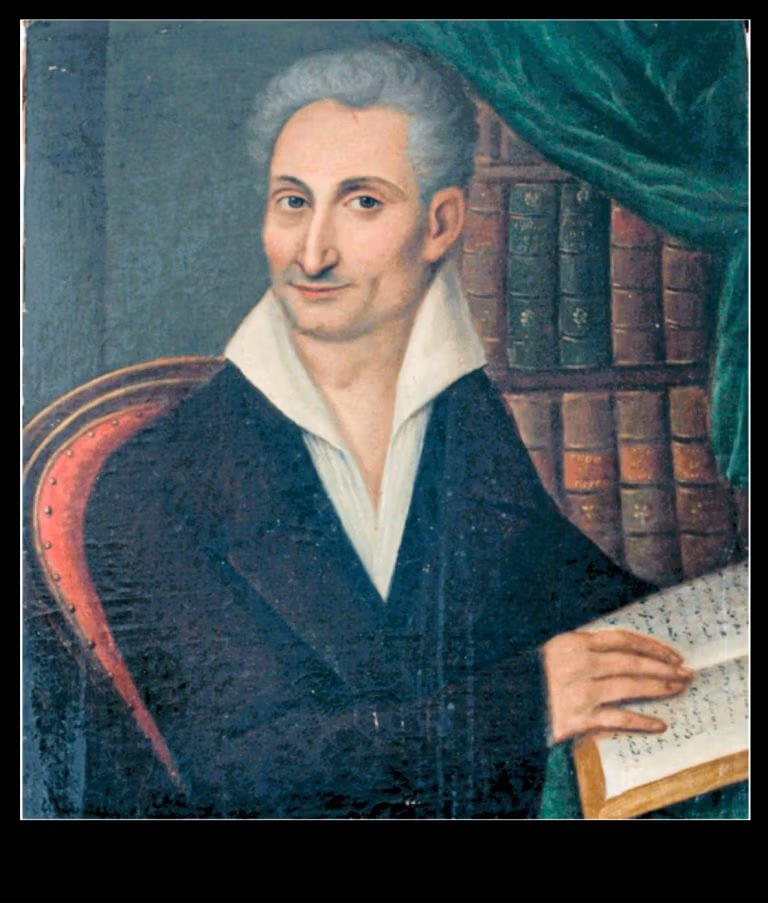
Hearn was born in Lefkada on 27 June 1850. His father, Charles Hearn, was an Irish military surgeon in British service; his mother, Rosa Cassimati, came from Kythira. The Lafcadio Hearn Memorial Museum in Matsue identifies him as a British national of Greek and Irish descent. Ireland was then part of the United Kingdom, so “Greek writer,” “Irish writer” and “British writer” each capture only part of his legal or familial position at birth.
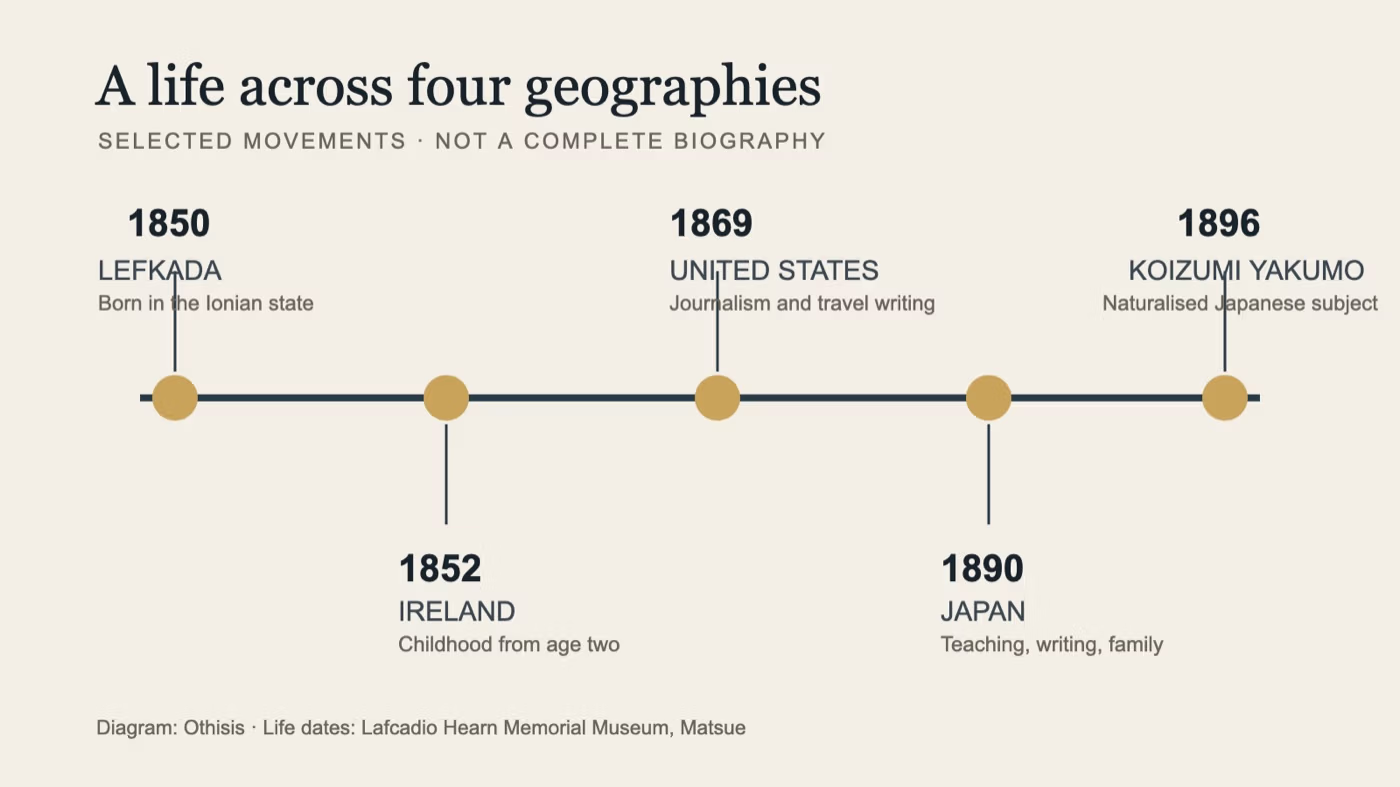
He left Lefkada as an infant and was taken to Ireland at the age of two. His childhood and education continued in Britain and France. At sixteen, an accident left him blind in his left eye. At nineteen, after the bankruptcy of the great-aunt responsible for his care, he travelled alone to the United States.
Journalism before literary reputation
In Cincinnati, Hearn eventually found work as a journalist. He then wrote in New Orleans and lived for a period on Martinique. These years established habits that remained visible in his later books. He wrote about street life, food, ritual, oral narrative, minority communities and the physical details of a place.
Naturalisation and the name Koizumi Yakumo
Hearn reached Japan in April 1890. In August, he began teaching English in Matsue. Later appointments took him to Kumamoto, Kobe, Tokyo Imperial University and Waseda University. His employment changed repeatedly, and his position at Tokyo Imperial University ended in 1903.
In 1896 he married Setsu Koizumi, became a naturalised Japanese subject and took the name Koizumi Yakumo. Naturalisation was a legal change tied to marriage, family and residence. Hearn and Setsu had three sons and a daughter.
His two names identify different parts of the record. “Lafcadio” preserves the association with Lefkada. “Koizumi Yakumo” records his adopted Japanese family name and naturalisation. Using both preserves the Lefkadian association and the Japanese legal record.
Setsu’s role in the retellings
Some of the Japanese stories Hearn retold reached him through Setsu Koizumi. The Matsue museum’s research and programming identify her as a gifted storyteller and a mediator in his retelling practice. She told stories orally, adapted her delivery to the distinctive language the couple used together and supplied narratives and explanations in a form created through their collaboration.
What the title page establishes
Glimpses of Unfamiliar Japan, first published in 1894, assembled observations from Hearn’s early Japanese years. Its title announced unfamiliarity as the organising condition. The book offered English-language readers religion, folklore, landscapes and daily practices through the impressions of a recent arrival.
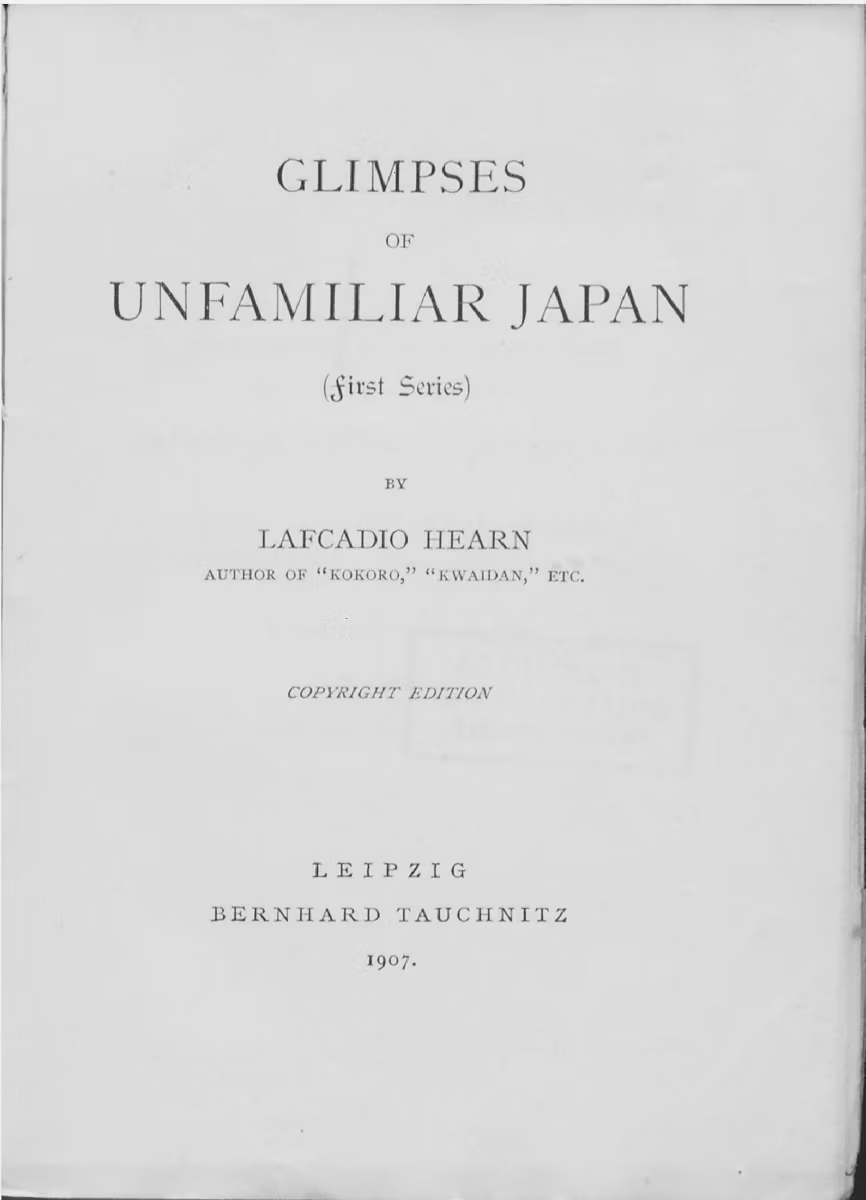
The surviving title page shown here comes from a 1907 Leipzig edition. It documents the later circulation of the book, while the publication history dates the first edition to 1894. Keeping those facts separate prevents an old-looking page from being mistaken for a first edition.
In the title, “unfamiliar” positions Hearn’s intended English-language readers outside Japan. His writing preserved valuable observations and helped works and traditions circulate internationally, but it also framed them for an external audience. Readers must consider both what he noticed and the position from which he described Japan.
Two museums, one corrected date
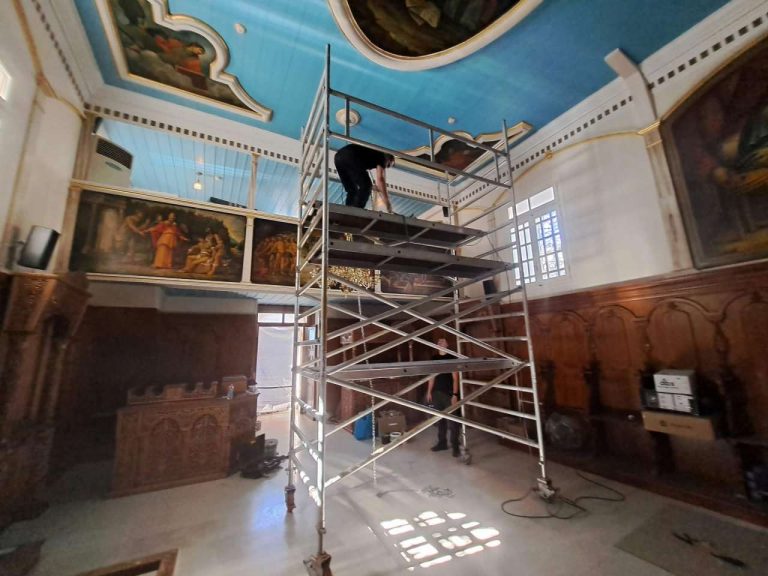
Lefkada and Matsue now hold complementary institutions. Matsue’s first Lafcadio Hearn Memorial Museum opened in 1934 beside his former residence and was renewed and expanded in 2016. Lefkada’s Lafcadio Hearn Historical Center is housed inside the municipality’s Cultural Center and presents his life through texts, photographs, replicas and audiovisual material contributed by institutions and communities connected with him.
How to read Hearn now
A useful starting sequence is Glimpses of Unfamiliar Japan followed by selected stories from Kwaidan. Both are available through Project Gutenberg in jurisdictions where the editions are in the public domain. The Matsue museum’s material on retelling and Setsu provides the collaborative context for those books.
At the Lefkada centre, distinguish originals from replicas and check current hours directly with the Cultural Center before a visit. Its displays connect Hearn’s birthplace and family origins with his later residences and the institutions that contributed material.
Extended Read
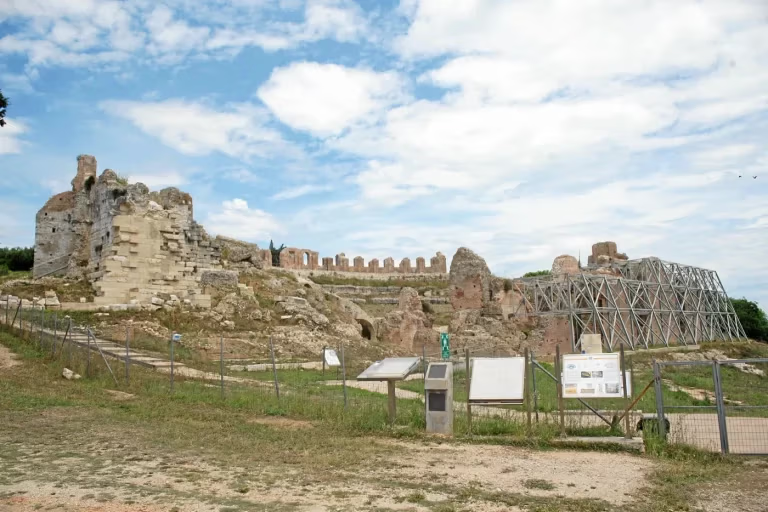
For the documented history of Santa Maura fortress and Lefkada’s mainland entrance, continue with Lefkada’s Entrance: Santa Maura, the Bridge, and the Lagoon.
Further Reading
- Lafcadio Hearn Memorial Museum: biography, collection and museum history
- Lafcadio Hearn Historical Center in Lefkada
- Matsue exhibition: KWAIDAN: Eternity of Literature of Retold Stories
- Project Gutenberg: Glimpses of Unfamiliar Japan, First Series
- Project Gutenberg: Kwaidan
References
- Lafcadio Hearn Memorial Museum, Matsue. Biography, floor guide and museum history. Accessed 31 July 2026.
- Lafcadio Hearn Memorial Museum, Matsue. “Koizumi Setsu: Living as Lafcadio Hearn’s Wife,” event and lecture documentation. 2024–2025.
- Lafcadio Hearn Memorial Museum, Matsue. KWAIDAN: Eternity of Literature of Retold Stories. 2016–2017.
- Lafcadio Hearn Memorial Museum, Matsue. Lafcadio Hearn: Visions of the Supernatural. 2020–2021.
- The Open Mind of Lafcadio Hearn symposium. Lafcadio Hearn Historical Center. Lefkada, 4–6 July 2014.
- Hearn, Lafcadio. Glimpses of Unfamiliar Japan: First Series. First published 1894; Project Gutenberg edition.
- Hearn, Lafcadio. Kwaidan: Stories and Studies of Strange Things. First published 1904; Project Gutenberg edition.
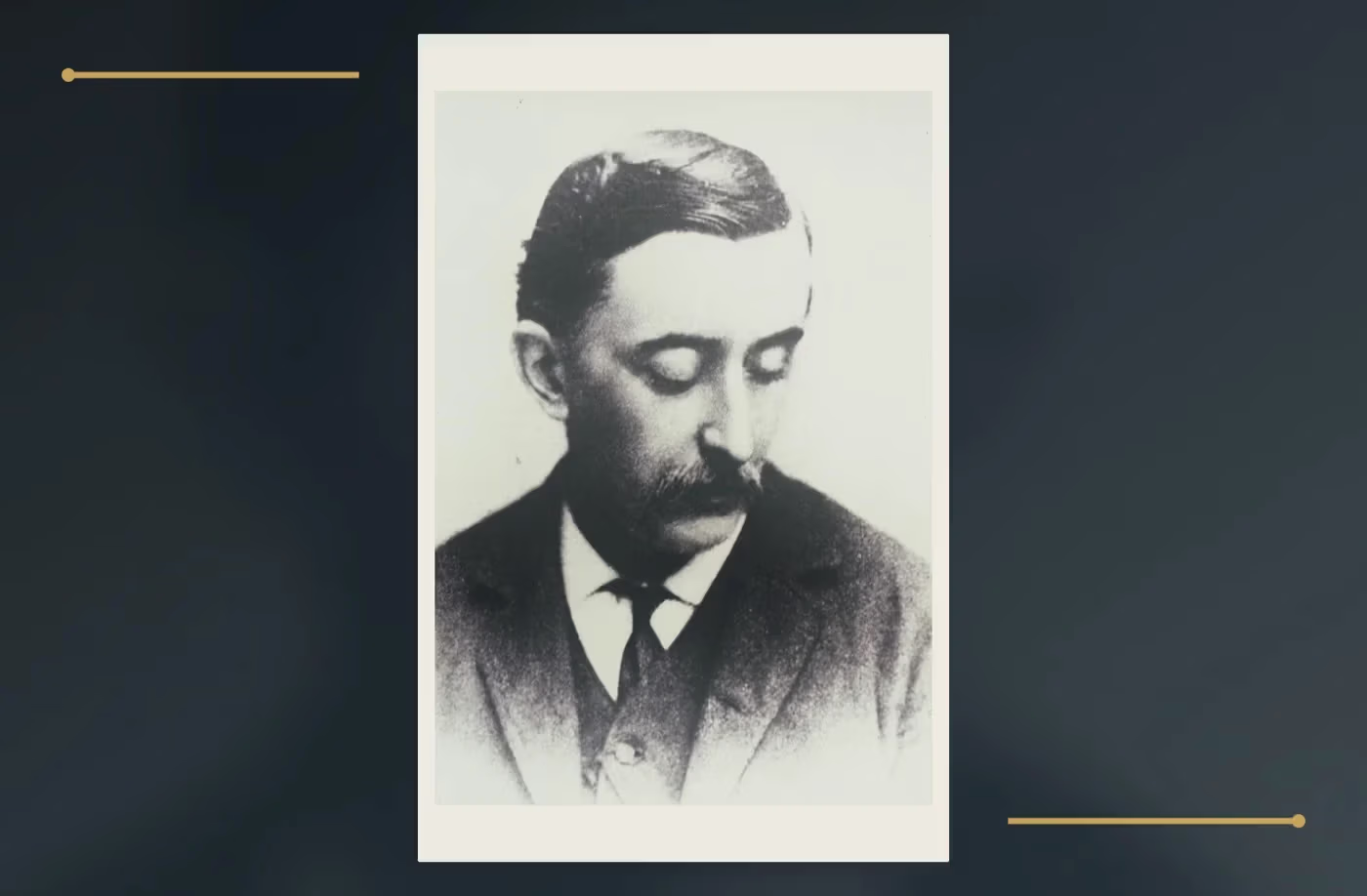
- Gutekunst, Frederick. Portrait of Lafcadio Hearn. 1889. Public domain.
- Title page of a 1907 Leipzig edition of Glimpses of Unfamiliar Japan, First Series. Public domain.