Gerasimos Markoras and the Oath of Arkadi
Markoras belonged to the Corfiot circle around Dionysios Solomos. He wrote in demotic Greek and worked with folk-song forms. In The Oath, Evdokia learns that Manthos died at Arkadi after she returns to Crete.
From Cephalonia to the Solomian circle
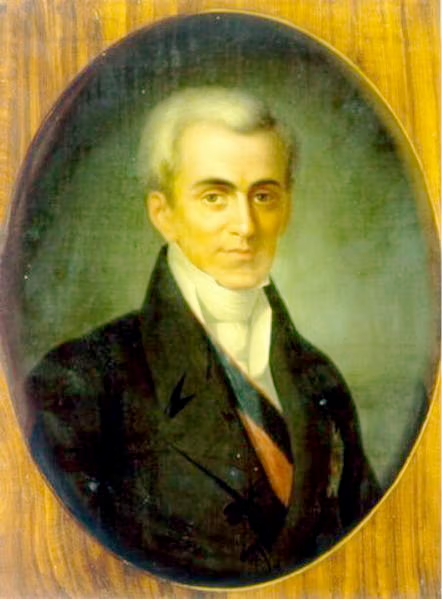
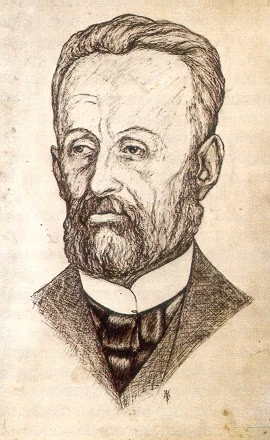
Markoras was born on Cephalonia in 1826 and spent his adult life in Corfu. A biographical record preserved by the Greek Ministry of Education states that he studied law at the Ionian Academy, where Andreas Kalvos was among his teachers, and then continued his studies in Italy. Family circumstances brought him back after two years. Corfu remained his home until his death in 1911.
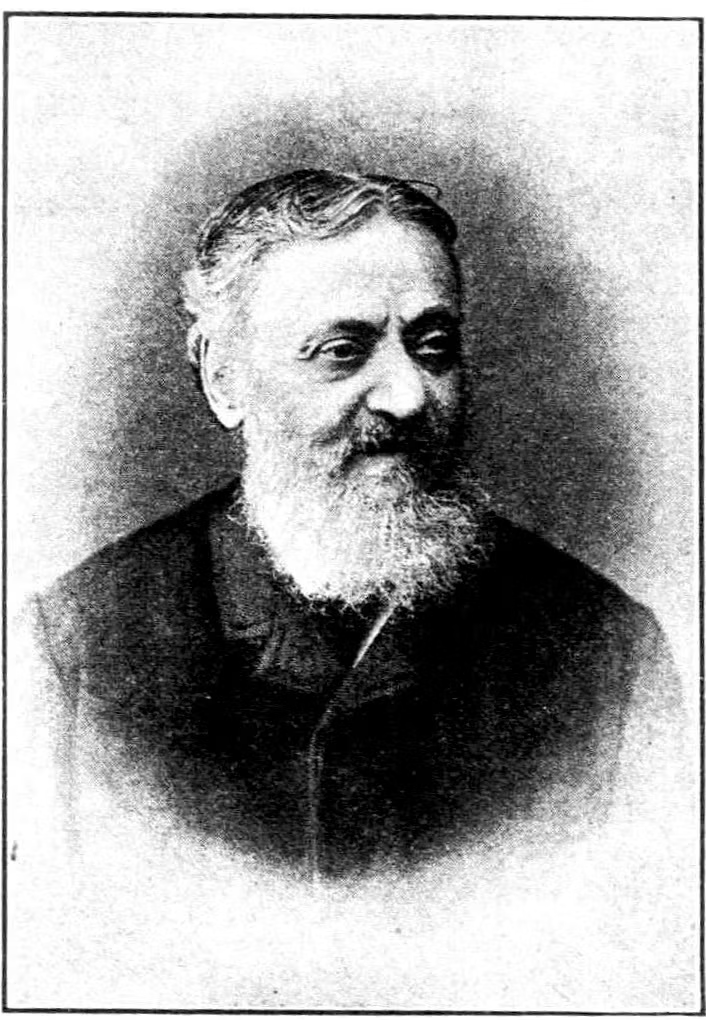
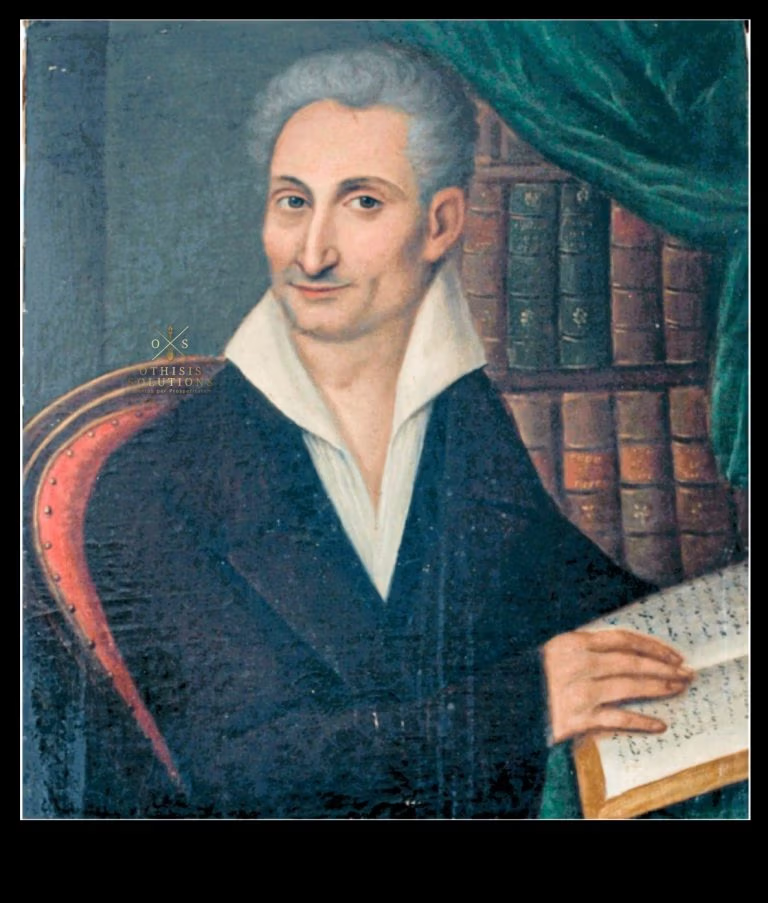
The decisive literary relationship was with Solomos. The Capodistrias Museum’s account of Solomos in Corfu places Markoras among the poet’s students, alongside Iakovos Polylas and Ioulios Typaldos. Their circle worked through manuscripts, language and translation while confronting a practical question: how should modern Greek literature sound?
Written for Solomos’s death in 1857, Markoras’s first published poem, To Proto Psychosavvato, belongs directly to that relationship. The Greek school history of modern literature classifies him among the Solomian poets of the Heptanese School.
A Cretan subject printed in Corfu
The Oath appeared in Corfu in 1875 from the press I Kerkyra. The catalogue record in the University of Crete’s Anemi Digital Library identifies the author, place, printer, year and physical extent of the first edition.
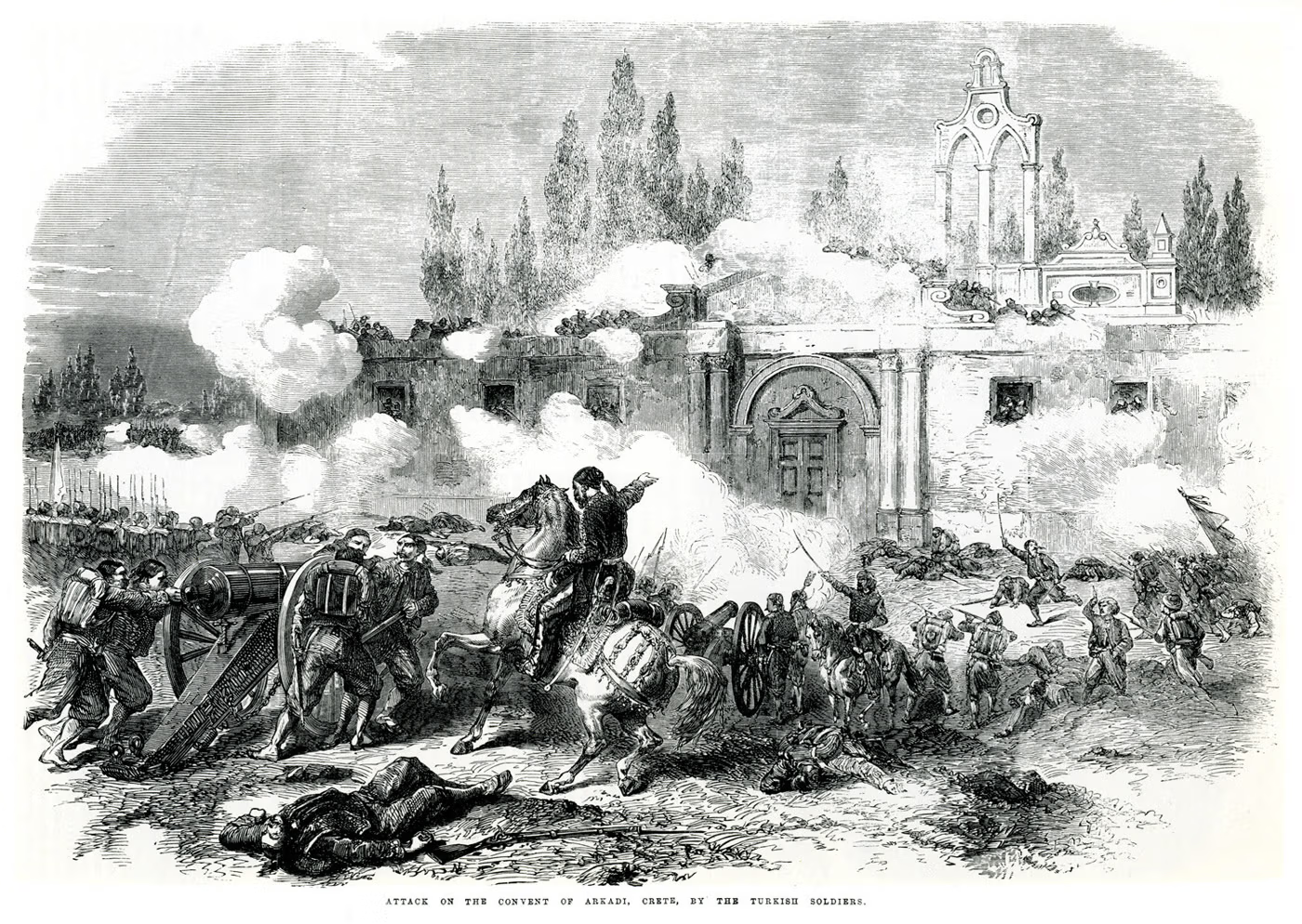
The poem turns on the Cretan uprising of 1866–1869 and the destruction of Arkadi Monastery. Markoras does not write a military chronicle. He follows two betrothed Cretans. Evdokia leaves the island at the outbreak of the revolt. When she returns three years later, Manthos has died at Arkadi. His apparition recounts the fighting and the explosion.
The poem sets the couple’s pledge beside Manthos’s decision to take part in the revolt. Arkadi enters the narrative through Evdokia’s return and the account given by Manthos’s apparition.
The work of the fifteen-syllable line
The Greek Ministry of Education describes The Oath as 1,216 rhymed fifteen-syllable lines. The metre links the composition to the long line of Greek folk song and to the verse practice associated with the Solomian tradition. Markoras uses couplets to move between narrative, direct speech and landscape without abandoning the poem’s forward rhythm.
One passage follows the ship carrying Evdokia back to Crete. The sea is calm while she remains awake, expecting a reunion the reader knows cannot occur.
When the poem reaches Arkadi, the same rhymed fifteen-syllable line is used for orders, movement through the monastery and the explosion. Markoras keeps the metre while changing the action it describes.
A reputation made in Athens
Markoras continued publishing poems in journals and almanacs. His first collected Poetic Works appeared in Athens in 1890, followed by Small Journeys in 1899. The Ministry of Education’s biographical note records the attention received by the 1890 collection in Athens.
Markoras can be read beside Iakovos Polylas. Polylas edited Solomos’s manuscripts for the 1859 Ta Evriskomena; Markoras continued to use related language and verse forms in new work.
The same school biography describes Markoras as a poet of limited range and low tone whose subjects were not especially original. Its judgment resists the ceremonial treatment often given to nineteenth-century poets. His place rests on a documented apprenticeship, a substantial narrative poem and the movement of Ionian literary practice into the Athenian reception of the 1890s.
The first edition remains
The 1875 volume survives as a complete digital object. Its title page is spare: author, poem, Corfu, printer, year. Sixty-four scanned pages preserve the typographic form in which readers first encountered Evdokia, Manthos and Arkadi.
Extended Read
Read Zambelios and the Bridge to Byzantium for another Ionian attempt to define the relationship between language, history and national culture during the nineteenth century.
Further Reading
- The Oath, 1875 first edition, University of Crete, Anemi Digital Library.
- Gerasimos Markoras: biography and “Paternal Happiness”, Greek Ministry of Education.
- The Ephemeris, Othisis’s dated record of Ionian people, works and events.
References
- Greek Ministry of Education, “Gerasimos Markoras (1826–1911)”, biographical note sourced to the National Book Centre of Greece.
- Greek Ministry of Education, “The Heptanese School”, History of Modern Greek Literature.
- University of Crete, Anemi Digital Library, Ο όρκος: Ποίημα, Corfu, 1875.
- Capodistrias Museum, “Dionysios Solomos: The National Poet”, including the documented Corfu circle.
- SearchCulture.gr and the National Documentation Centre, authority and object records for Gerasimos Markoras.
- Wikimedia Commons, “Gerasimos Markoras, Imerologion Skokou, 1892”, Public Domain Mark 1.0.
- Wikimedia Commons, “Attack on the Convent of Arkadi, Crete”, The Illustrated London News, 1867, Public Domain Mark 1.0.