Air, Water and Place in the Hippocratic Corpus
What On Airs, Waters, Places actually argues
The physician’s survey of place
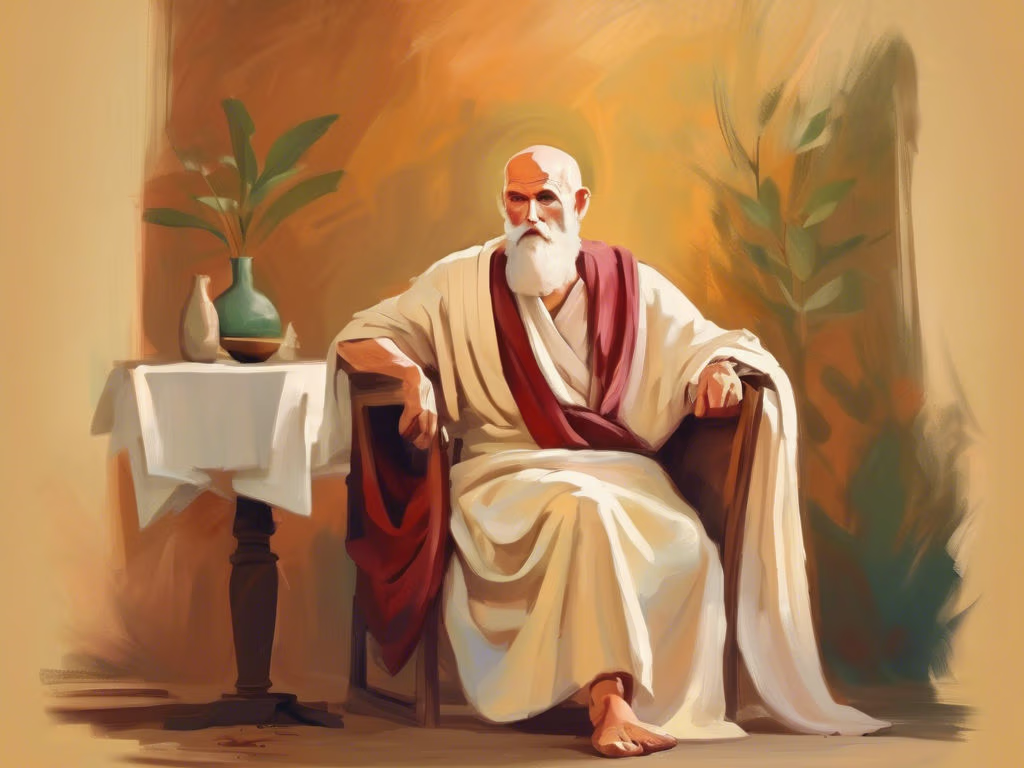
The treatise traditionally attributed to Hippocrates tells a physician arriving in an unfamiliar city to study the seasons, prevailing winds, water sources, the orientation of the settlement and the habits of its inhabitants. The author expects disease patterns to vary with place.
This early method expands medical inquiry beyond the body. Air, water and living conditions become part of the physician’s evidence.
Ancient medicine in its own terms
Renewable energy, modern agriculture and contemporary climate policy belong to a later technological and political world. Assigning those positions to Hippocrates would be anachronistic.
Modern evidence rejects some medical theories and cultural generalisations in the treatise. Its historical importance rests in the method of observing place, while the conclusions require critical reading.
A method with a modern parallel
The durable principle is methodological: examine the conditions of a place before drawing conclusions about the people who live there. Modern public health applies that principle through epidemiology, environmental measurement and tested causal evidence.
Extended Read
For a modern measurement framework, continue with Sustainability and Profitability: What the Evidence Can Show.