A longer Lefkada season starts in the mountain villages
Lefkada still packs its visitors into a five-month spike, even though Karya, Eglouvi and the mountain routes already offer a quieter calendar outside it. The lentil plateau and the walking paths are there; a longer season turns on beds, meals and transport where those services are thinnest.
The shape of the summer spike
Air traffic shows how narrow the season is. Aktion airport, on the mainland and the nearest airport to Lefkada, handled 262 passengers in January 2025 and 203,746 in August, a 9.9% rise on August 2024. September still brought 161,431 (up 8.1%).
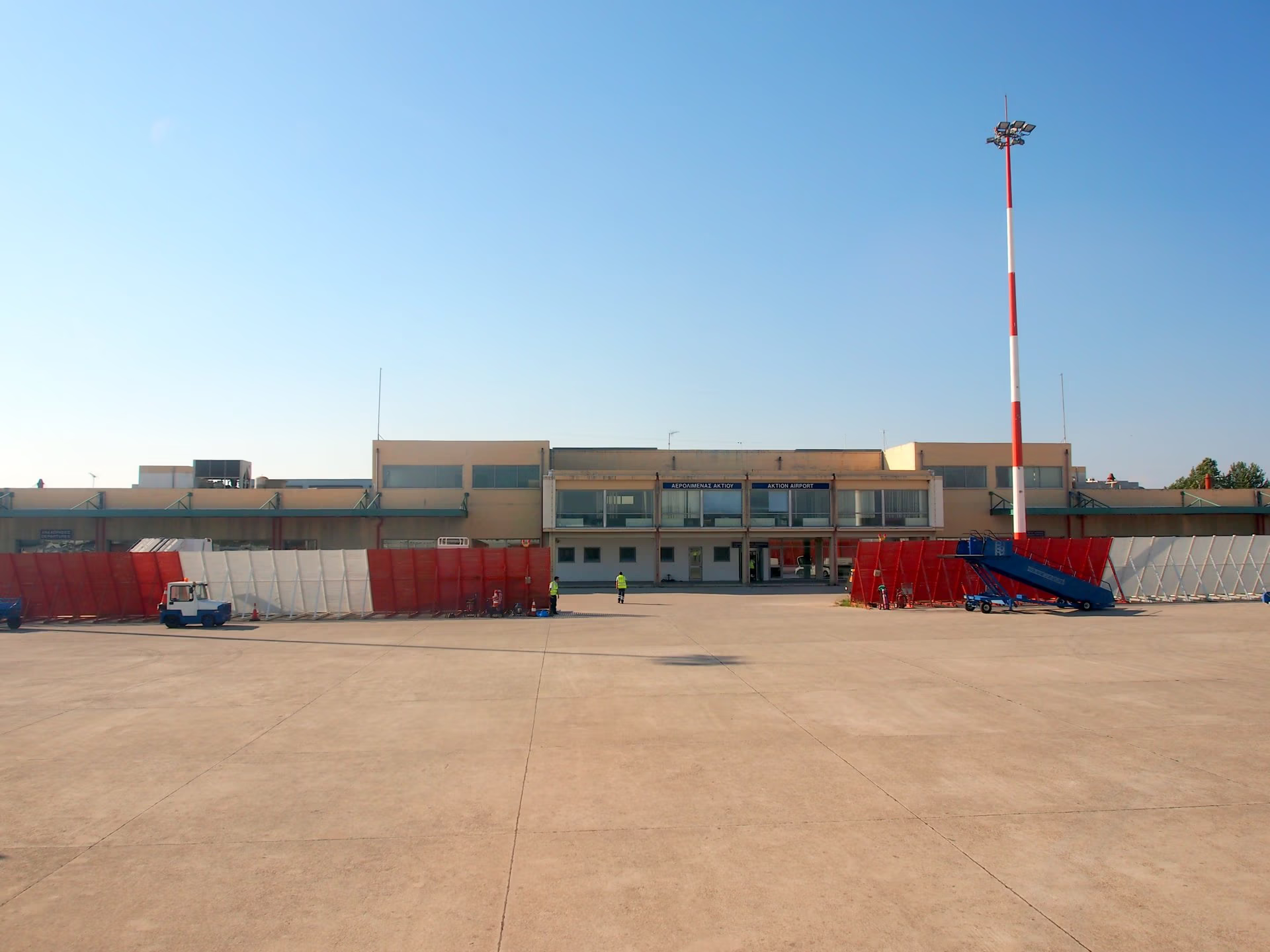
From January to September 2025 the airport handled 816,963 passengers, 805,147 of them international. The full year reached 875,962, a 6.2% increase on 2024, and December fell back to 319. Aktion also serves Preveza and the mainland coast, so these totals are a guide to the island’s season, not a count of its visitors. Traffic is growing, but almost all of it lands between May and September.
What shoulder-season travellers say they want
European travellers are looking for quieter, cooler and cheaper trips. In the European Travel Commission’s summer-autumn 2025 survey, 77% of Europeans planned to travel between June and November, and 55% planned to visit less popular destinations, up from 48% in spring 2025.
September was the choice of 22%, for milder weather, fewer crowds and better value. A separate ETC report found that 28% of travellers from eight top source markets plan to move their trips to other months within two years, mainly to avoid crowds, save money and escape extreme heat.
Government policy points the same way. Deputy Prime Minister Kostis Hatzidakis said the peripheral months of April, May, October and November were decisive for 2025 travel receipts, and that Greece can become a 12-month destination.
What Lefkada already offers outside summer
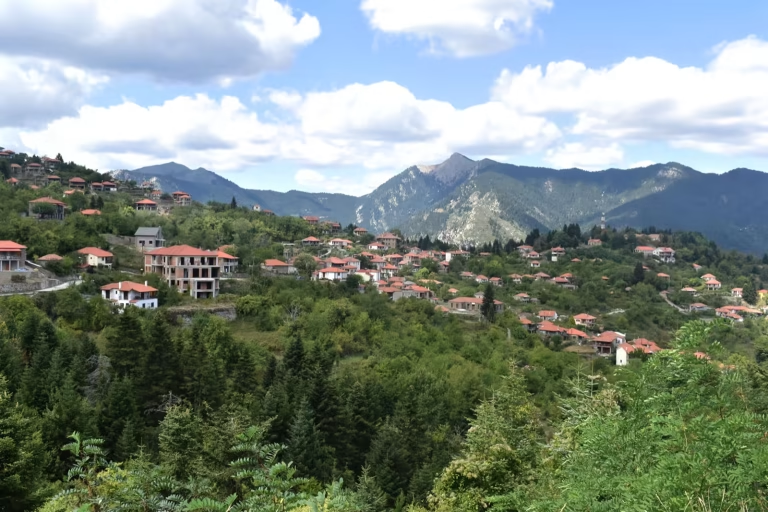
The mountain villages give the island an alternative to the coast. Karya, Eglouvi, Alexandros and Syvros have escaped the development that rings the shore, a quieter calendar already sketched in Karya and Englouvi Outside Summer. Karya is known for its square and its lace-making tradition, and Syvros for its watermills and waterfalls.
Eglouvi’s lentil plateau changes with the season. Lefkada Trails describes the fields as green and full of wild flowers in spring and late autumn, and brown in mid-summer.
The best-known festivals fall in high summer: the International Folklore Festival (every year since 1962) in late August, and the Eglouvi lentil festival on 6 August. A mainland mountain case for building an autumn festival from a crop is set out in Ano Chora built its October on chestnuts. Karya could build a lathouria festival. The shoulder months have running instead. The 5th Tzovanios Mountain Race runs through Eglouvi and Karya in October 2026, and the 13th Green Half Marathon was held in May 2026.
What a longer season still needs
The interior is short of the basics a visitor needs. Public buses to the mountain villages are infrequent, and accommodation and meals are limited: Karya has tavernas and rooms, Eglouvi tavernas and only a few beds.
The villages are still recovering. For decades they suffered abandonment (erimosis), and their old stone houses are only now being gradually restored.
A trial would therefore start with the practical: open rooms, meals and a transfer on fixed dates in April, May, October and November.
The demand data and the policy agree on when Lefkada could sell more: the cooler months either side of summer. The island already has what those travellers ask for, a quiet interior, a plateau in flower and routes to walk or run. The longer season depends less on new attractions than on keeping a bed, a table and a transfer available in the villages when the coast goes quiet.
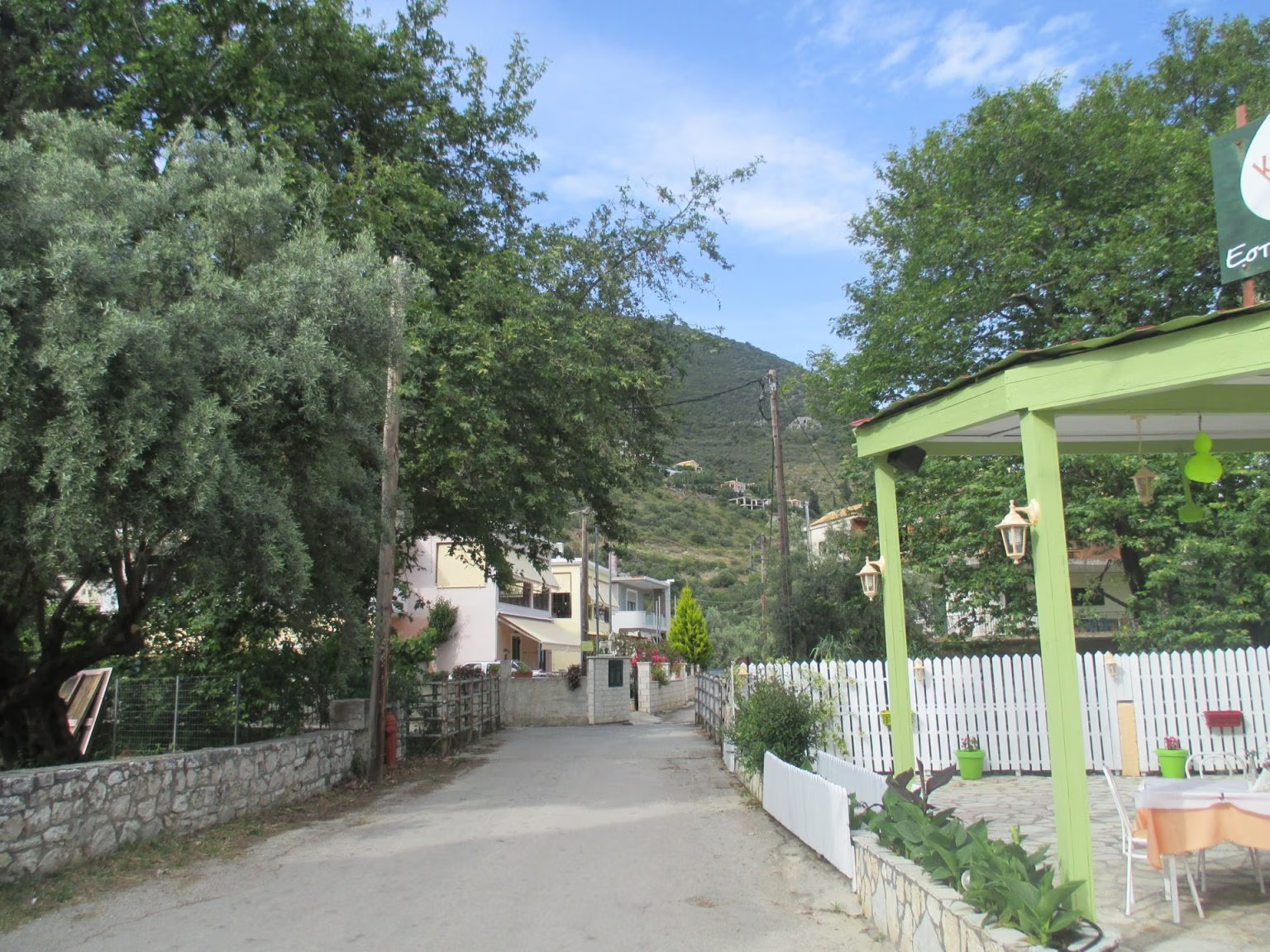
Featured photograph: a lane in Rachi, Lefkada, 2015. Photograph: Tomisti, via Wikimedia Commons, CC BY-SA 4.0. Resized.
Further Reading
- Karya and Englouvi Outside Summer.
- September in Lefkada: What Changes After August.
- Ano Chora built its October on chestnuts. Karya could build a lathouria festival.
References
- Aktion airport traffic, January to September 2025 (Fraport Greece)
- Fraport Greece full-year 2025 traffic
- European Travel Commission: intra-European travel sentiment, summer-autumn 2025
- European Travel Commission: Trends and Prospects Q3 2025
- Office of the Deputy Prime Minister: Hatzidakis on a 12-month season, 13 February 2026
- Lefkada Trails: mountain villages
- Lefkada Trails: Eglouvi to Agios Donatos and the lentil fields loop
- Lefkada Trails: Karya to Eglouvi over Profitis Ilias
- Anadeo Lefkada: cultural calendar
- Run Events: 5th Tzovanios Mountain Race 2026
- TheRun.gr: Ionian Islands race calendar
More from the journal
Local Capacity Sets Tourism’s Limits
How water, waste, transport and site capacity limit visitor growth
Karya and Englouvi Outside Summer
Karya, Englouvi and their documented off-season traditions