Georgios Tertsetis: Writing Down Kolokotronis
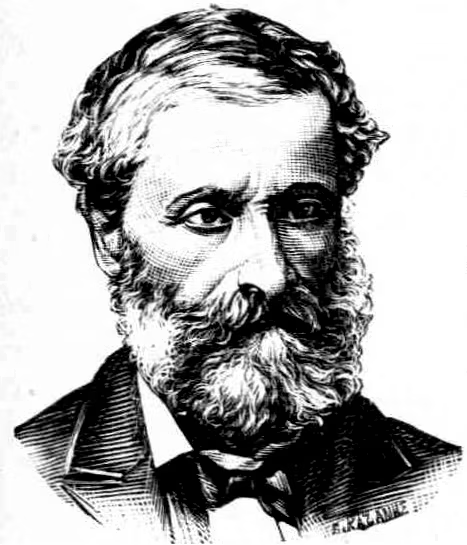
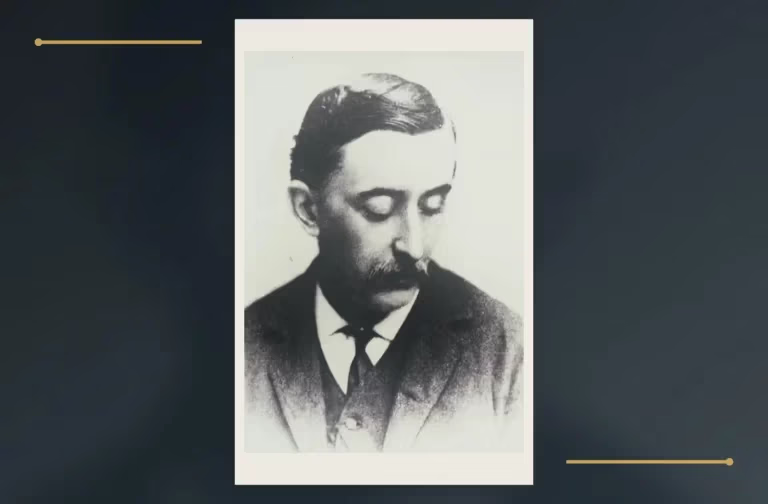
In 1846, Kolokotronis’s dictated account of the Greek Revolution entered print through Tertsetis’s work as recorder. Tertsetis, a Zakynthian judge, poet and writer, recorded and prepared for print one of the principal first-person accounts of the struggle for independence.
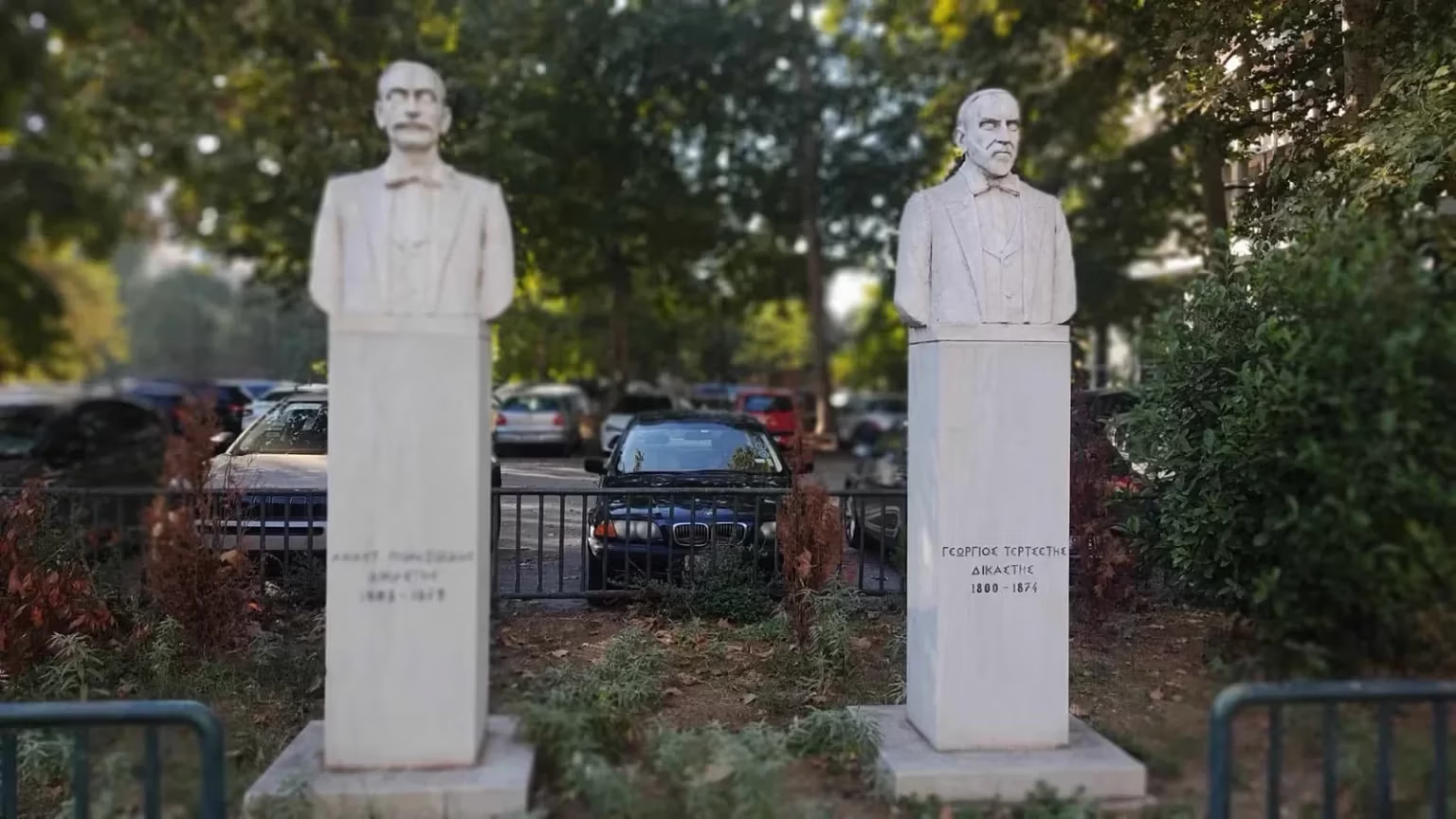
Tertsetis is often remembered for his judicial dissent: with Anastasios Polyzoidis, he refused to join the majority verdict that condemned Kolokotronis and Dimitrios Plapoutas to death in 1834. Twelve years later, he recorded and prepared Kolokotronis’s dictated testimony for print.
“Speak, and I will write”
Kolokotronis had received little formal schooling. According to the Greek Ministry of Education’s literary archive, Tertsetis responded by offering to write down his spoken account. The argument was simple:
“Τα λόγια είναι γράμματα, μίλειε κι εγώ γράφω.”
Georgios Tertsetis, as preserved in the Ministry of Education anthology
Words are letters, Tertsetis told him: speak, and I will write. The sentence describes the method of the book. Kolokotronis supplied the remembered life and the spoken cadence; Tertsetis served as recorder and contributor.
What the first edition actually says
The University of Crete’s Anemi Digital Library catalogues the 1846 first edition as Diigisis symvanton tis ellinikis fylis apo ta 1770 eos ta 1836. The English title is Narrative of Events of the Greek Race from 1770 to 1836. Its own title states that Theodoros Konstantinou Kolokotronis dictated it. The catalogue lists Kolokotronis as creator and Tertsetis as contributor.
The 1846 volume is Kolokotronis’s testimony, shaped by dictation and Tertsetis’s mediation. Calling it “Tertsetis’s memoirs of Kolokotronis” would misidentify the speaker. The book appeared in Athens at the press of Ch. Nikolaidis Philadelpheus, with 306 pages following its preliminary matter.
Tertsetis returned to the subject in an 1852 continuation and prolegomena, also catalogued by Anemi. His work therefore extended beyond the first edition. He recorded oral recollection for publication in the new Greek state.
The judge who dissented
On 25 May 1834, a majority of the five-member court found Kolokotronis and Plapoutas guilty and imposed the death penalty. Tertsetis and Polyzoidis dissented. The sentence was commuted by the Regency, and King Otto pardoned the men in 1835.
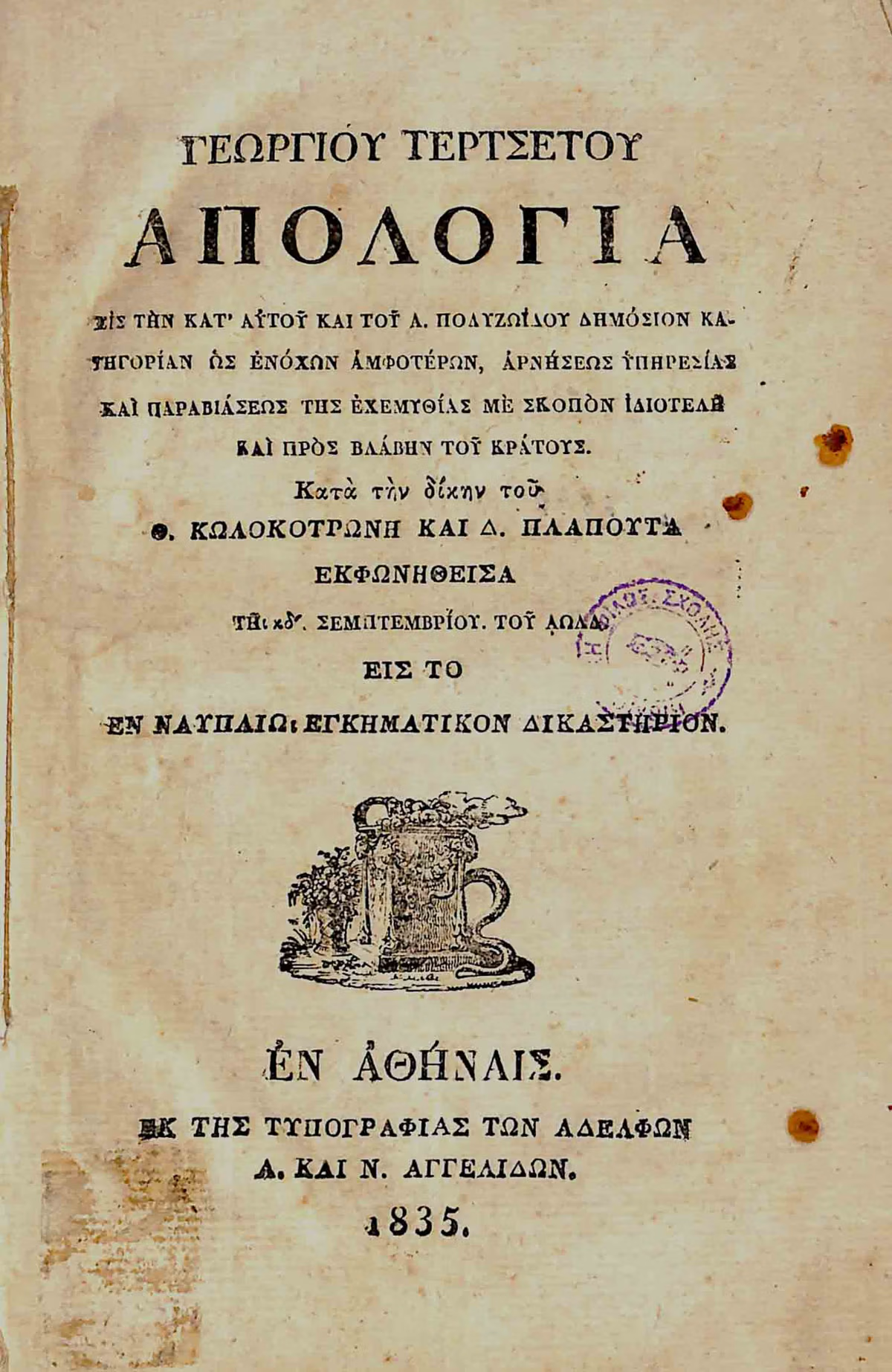
Tertsetis published an Apology of Kolokotronis and Plapoutas in Athens in 1835. Its surviving title page documents his decision to place the contested trial in print eleven years before Kolokotronis’s narrative appeared.
An Ionian writer in the institutions of Athens
Tertsetis was born in Zakynthos in 1800. The Ministry of Education places him among the early Solomian poets of the Heptanese School. He later worked in law, historical writing and the institutions of the mainland kingdom.
In 1846, the same year as the first edition of Kolokotronis’s narrative, Tertsetis was elected archivist and librarian of the Hellenic Parliament. The Parliament Library records that he helped turn the young institution into an intellectual centre. Under his direction, the publication of the archival series Greek Palingenesia began in 1855.
Across these roles, Tertsetis challenged the 1834 verdict, published material from the trial, recorded Kolokotronis’s testimony and organised parliamentary archives.
The limits of a mediated memory
Dictation turns memory into a mediated text. Memory selects; a recorder orders; an editor decides where one episode ends and another begins. Kolokotronis spoke years after many of the events he described, and Tertsetis’s presence shaped the written result.
The narrative is both testimony and collaboration. It records revolutionary memory as Kolokotronis recalled it, Tertsetis wrote it down and independent Greece brought it into print.
Tertsetis as recorder and editor
Extended Read
For an account of Spyridon Zambelios and his interpretation of Byzantium’s place in Greek history, read Zambelios and the Bridge to Byzantium.
Further Reading
- University of Crete, Anemi Digital Library: 1846 first edition catalogue
- University of Crete, Anemi Digital Library: 1852 continuation and prolegomena
- Greek Ministry of Education: Kolokotronis’s narrative and Tertsetis’s invitation
References
- SearchCulture.gr: Georgios-Markos Tertsetis authority record
- Hellenic Parliament Library: institutional history
- Greek Ministry of Education: the Heptanese School
- Kathimerini History: the verdict of 25 May 1834
- Wikimedia Commons: 1835 Apology title page and rights record
- Wikimedia Commons: statues of Tertsetis and Polyzoidis in Nafplio and rights record