Andreas Laskaratos: The human price of the dowry system
A father neglects his daughter’s health, food, and education to build a dowry. He avoids the doctor when she is ill and uses her as a servant to save on wages. In The Mysteries of Cephalonia (1856), Andreas Laskaratos exposes this “family economy” not as a sacrifice, but as a calculated cruelty that traded a woman’s wellbeing for a marriage portion.
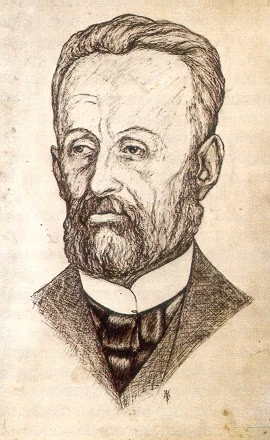
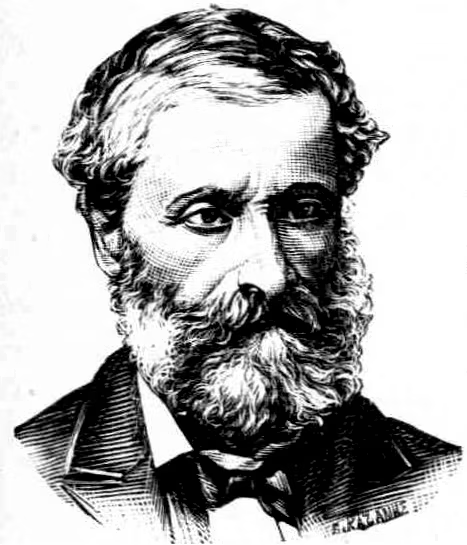
Andreas Laskaratos, 1888. Eleftherios Kazanis. Via Wikimedia Commons. Source record. Public domain.
The price of a groom
Laskaratos follows the money to its final destination: the husband. The wealth accumulated through a daughter’s deprivation simply passes to another household where she continues to serve. While parents framed this as a sacrifice for her future, Laskaratos asked a sharper question: what kind of life were they actually preparing her for?
These critiques of family, religion, and politics in Cephalonia eventually led to his excommunication. In the dowry passage, his target is precise: a society that valued a sum of money more than the person it was meant to support.
The habits of the classroom
Laskaratos turned the same critical eye toward everyday behavior in Idou o anthropos (Behold the Man), a collection of 126 character sketches published in 1886. In “O kakos mathitis” (“The bad pupil”), he describes a boy who spends more effort avoiding his studies than he would ever spend learning.
The boy studies only the passages he expects to be examined on, relies on friends for secret help and blames his teachers if he fails. Laskaratos’s sketch ends with an adult unfit for work and facing his fellow citizens’ disregard.
Further reading
- Andreas Laskaratos, The Mysteries of Cephalonia, “The dowry”, official secondary-school textbook.
- Andreas Laskaratos, “O kakos mathitis”, from Idou o anthropos, official secondary-school textbook.