Dionysios Solomos: The beauty of the unfinished poem
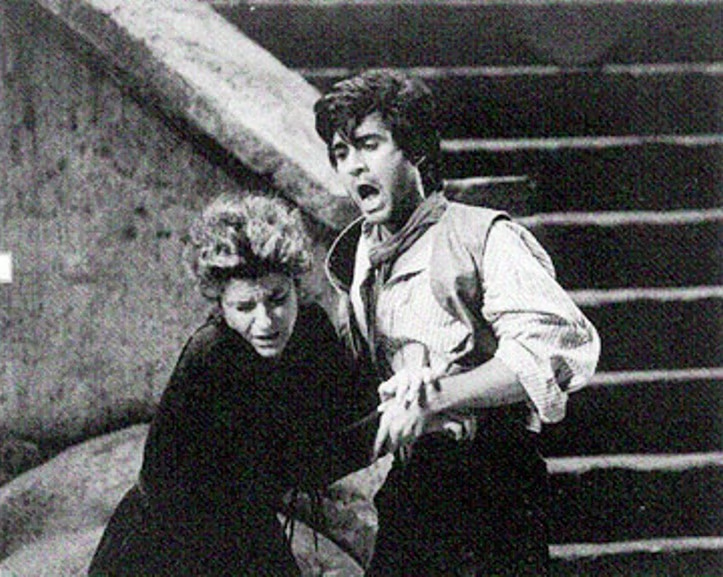
Dionysios Solomos left The Free Besieged unfinished. Its surviving drafts include a starving mother watching a bird find a seed, a soldier too weak to carry his gun and spring arriving outside a besieged town. These scenes give the people of Missolonghi individual lives within the poem’s account of resistance.
Writing in Greek after Italy
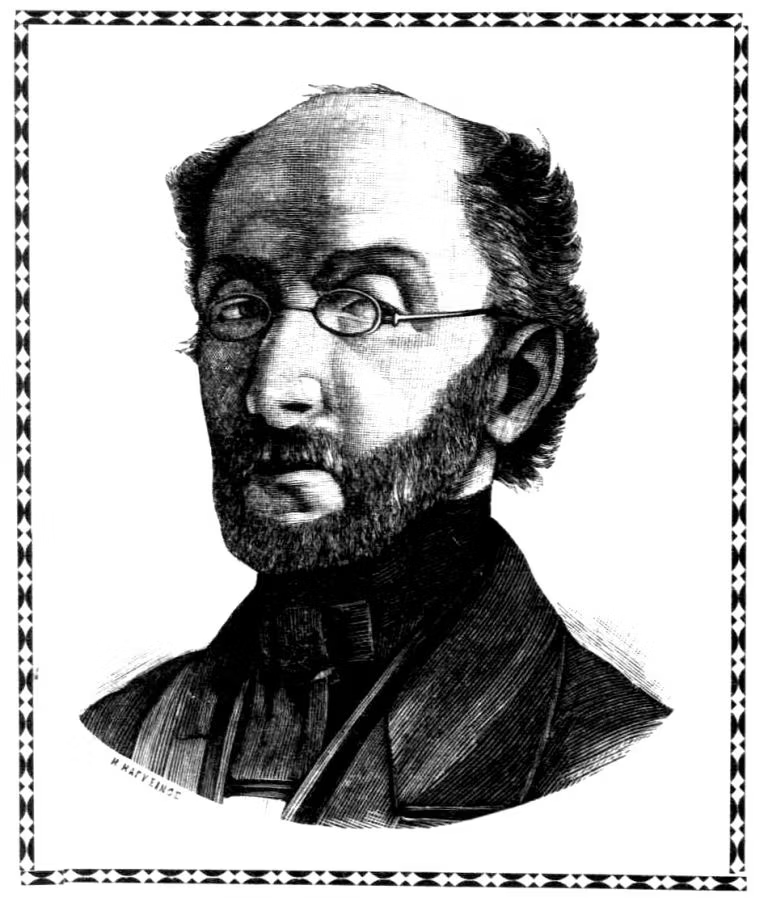
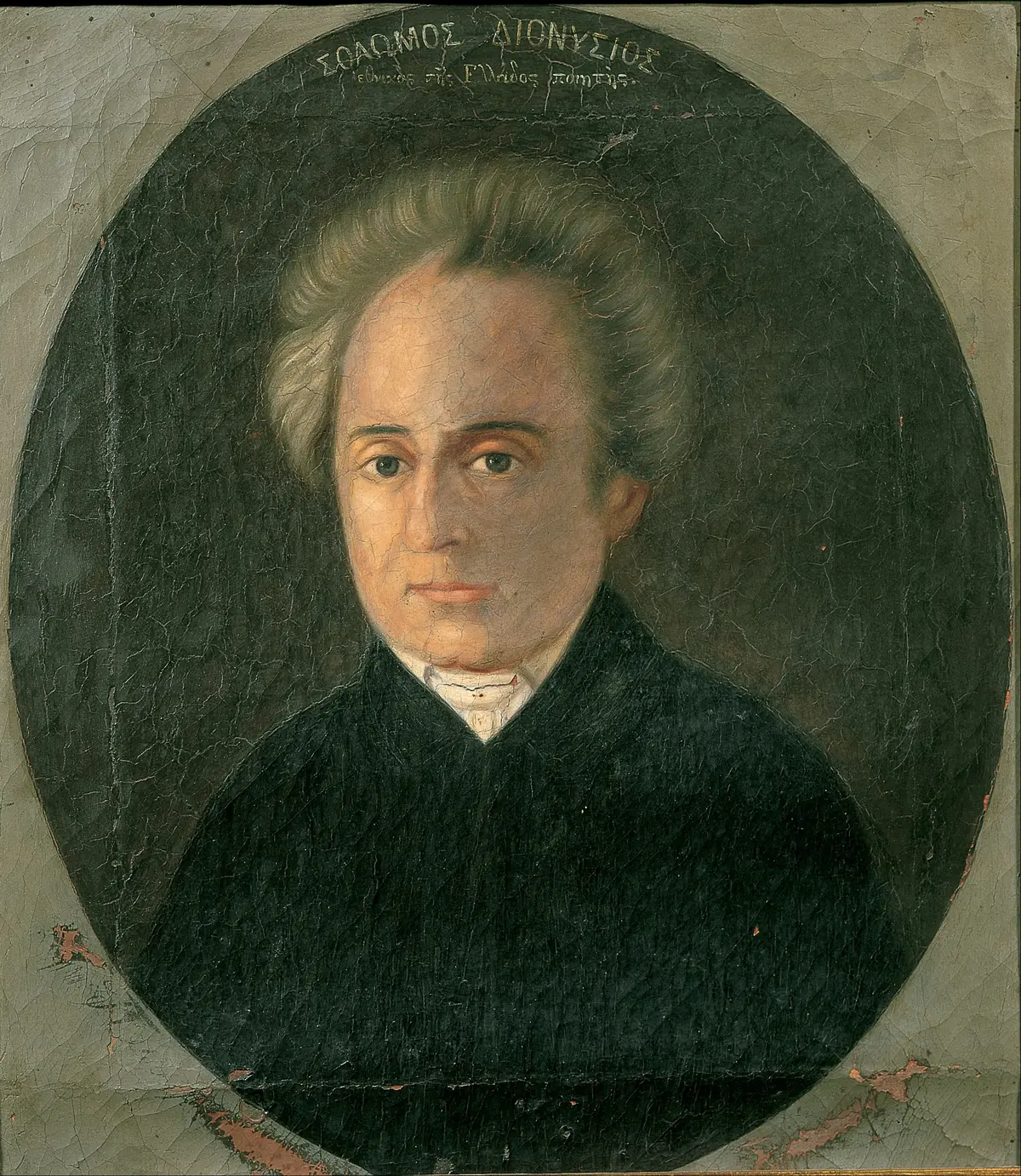
Born in Zakynthos in 1798, Solomos left for Italy in 1808 and studied in Pavia. He returned to Zakynthos in 1818, moved to Corfu in 1828 and lived there until his death in 1857. The Solomos Museum of Corfu documents both his Italian writing and his early poems in Greek.
In his Dialogue of 1824, he defended demotic Greek as a language for literature. The Hymn to Liberty brought him a public reputation, but several of the works now central to his poetry were still unpublished when he died.
Missolonghi in three drafts
The Free Besieged concerns the siege of Missolonghi in 1825–1826 and the attempted breakout at its end. Solomos worked on the second draft between 1833 and 1844, then began reshaping it into a third version. The second uses rhyming fifteen-syllable lines; the third abandons the rhyme.
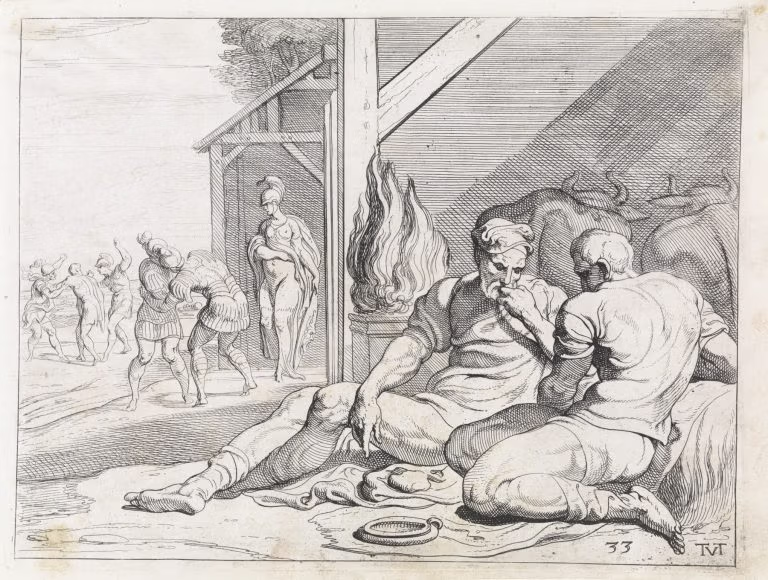
In the second draft, a mother envies a bird for finding food. Nearby, a soldier weeps because hunger has made his rifle heavy. The next passage describes flowers, sheep and a butterfly. Spring makes death harder to accept: the people inside the town can see the life they are about to lose.
How the manuscripts became a book
Iakovos Polylas prepared the posthumous collection Ta Evriskomena, published in Corfu in 1859. The Centre for the Greek Language traces the editorial problems that began with that edition: surviving drafts and alternative passages do not always supply a single, finished text.
In editions of The Free Besieged, the prose notes also need care. Some are Solomos’s own working notes, originally written in Italian and translated by Polylas. Others are Polylas’s explanations. Reading the two separately helps distinguish the poet’s plans from his editor’s reconstruction.
Extended read
Read the Othisis essay Iakovos Polylas: Editing Solomos into Print for the history of the 1859 edition and the editorial choices through which the manuscripts reached later readers.
Further reading
- Dionysios Solomos, The Free Besieged: drafts, text and editorial notes, official secondary-school textbook.
- Centre for the Greek Language, Dionysios Solomos: editions and digital corpus.